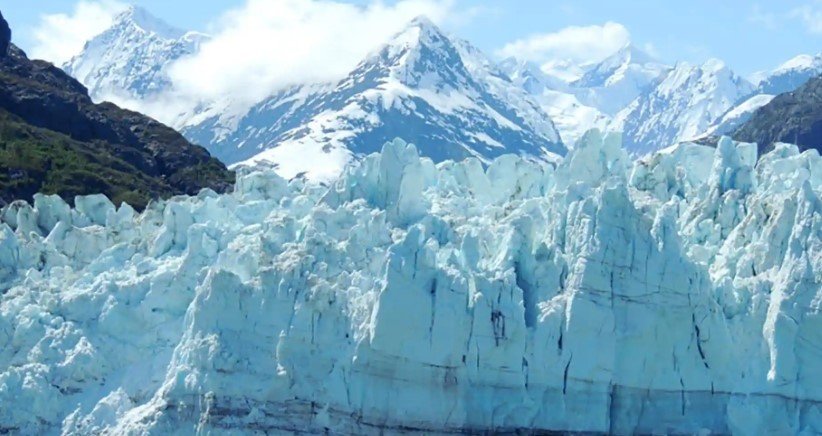
A new scientific assessment has raised alarm over the future stability of Thwaites Glacier, often referred to as the “Doomsday Glacier,” with researchers warning that it could be moving toward a state of disintegration due to accelerating ice loss and weakening structural support. The glacier, located in Antarctica, is one of the most closely watched ice formations in climate science because of its potential to significantly influence global sea level rise if it collapses.
Scientists studying satellite data and field measurements report that warm ocean currents are continuing to erode the glacier from beneath, thinning its ice shelf and reducing the natural barriers that help hold it in place. This process, they say, is making the glacier increasingly unstable, with parts of it already showing signs of rapid retreat and structural weakening. While the term “disintegration” reflects a long-term process rather than an immediate collapse, researchers caution that key tipping points may already have been reached or are approaching.
The findings have intensified concerns among climate experts, as the complete loss of Thwaites Glacier could contribute significantly to global sea level rise over time, affecting coastal regions worldwide. However, scientists also emphasize that the process is expected to unfold over decades rather than suddenly, allowing time for monitoring and potential adaptation strategies.
Ongoing international research efforts, including underwater surveys and satellite monitoring programs, continue to track changes in the glacier’s behavior. Experts stress that understanding its dynamics remains crucial for improving projections of future climate impacts and preparing for long-term environmental changes driven by global warming.