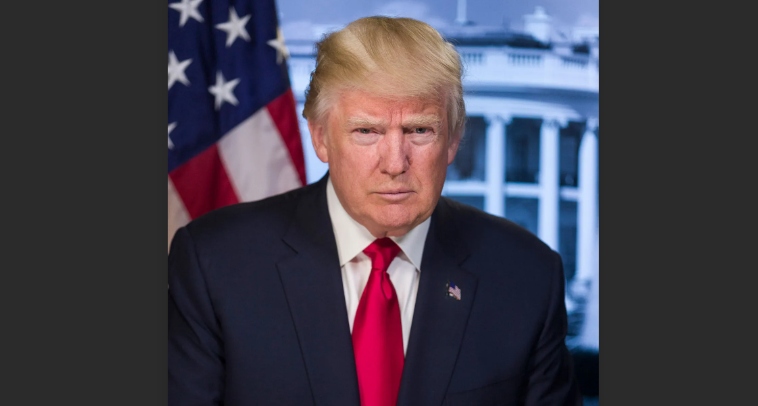
U.S. President Donald Trump declared on social media that Tehran is highly motivated to finalize a new diplomatic agreement with Washington, predicting a highly favorable outcome for the United States and its regional allies. Despite recent exchanges of military strikes that have tested a fragile, months-long ceasefire, the administration maintains that behind-the-scenes negotiations remain on a positive trajectory. The proposed framework aims to secure a 60-day extension of the cessation of hostilities, establish strict guarantees against Iranian nuclear weapons development, and immediately restore unrestricted, toll-free commercial maritime traffic through the heavily disrupted Strait of Hormuz.
However, the president sharply criticized political opponents and members of his own party, arguing that relentless public commentary and domestic dissent are actively complicating his ability to negotiate effectively. Characterizing the external pushback as unpatriotic “chirping,” the administration urged observers to remain patient while high-level national security aides work to finalize the administration’s specific red lines. The White House has emphasized that it is under no immense rush to execute the deal, insisting that it will reject any proposal that relies on front-loaded sanctions relief or fails to mandate the immediate, verifiable destruction of Iran’s enriched uranium stockpiles.
Meanwhile, international mediators are working frantically to synchronize these talks with broader regional demands, including mounting pressure from Tehran to tie any final U.S. accord to a parallel ceasefire in Lebanon. While defense officials confirm that global energy corridors remain highly sensitive to ongoing tactical friction in the Gulf, the administration maintains an optimistic outlook on the diplomatic front. Assuring the public that the complex framework will ultimately stabilize the volatile region, the White House reiterated its stance that a strong, secure peace agreement remains well within reach.