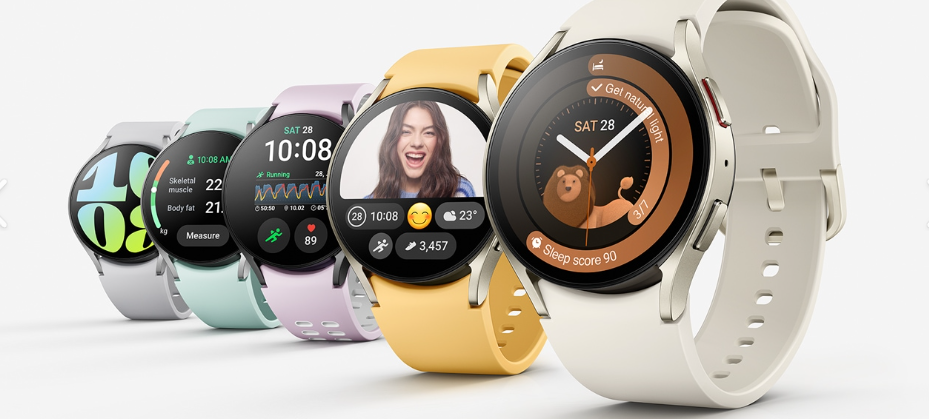
In a major leap for preventive wearable technology, Samsung has announced the results of a world-first clinical study demonstrating that the Galaxy Watch 6 can predict impending fainting episodes with high accuracy. Conducted in partnership with Chung-Ang University Gwangmyeong Hospital in South Korea, the study utilized the watch’s existing photoplethysmography (PPG) sensor and an AI-driven algorithm to detect vasovagal syncope (VVS)—the most common cause of fainting—up to five minutes before it occurs. Published in the European Heart Journal – Digital Health, the research involved 132 patients and showed that by analyzing subtle changes in heart rate variability (HRV), the device could identify warning signs with 84.6% accuracy.
The implications of this breakthrough are significant for the nearly 40% of people worldwide who experience fainting episodes. While the act of fainting itself is often not life-threatening, the resulting “blackout” can lead to severe secondary injuries such as concussions, fractures, or head trauma, especially if it happens on stairs or while walking. Professor Junhwan Cho, the lead researcher, emphasized that a five-minute warning is a “critical window” that allows a user to move to a safe position, sit down, or call for assistance before losing consciousness. Although Samsung has not yet confirmed a specific rollout date for this as a consumer feature, the study proves that the hardware already on millions of wrists is capable of shifting the wearable experience from simple fitness tracking to life-saving, preventive medical monitoring.