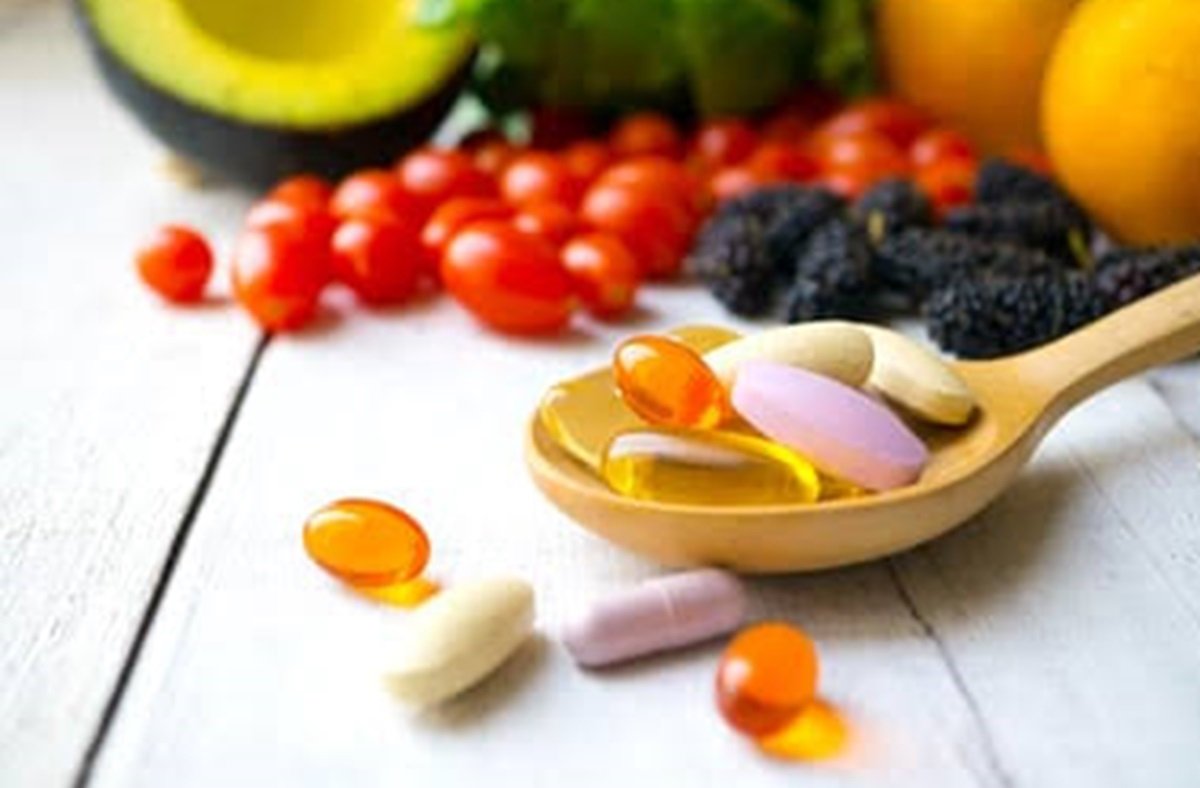
The emotional weight of a cancer diagnosis often drives families to seek out gentler paths such as herbal preparations, special diets, and traditional remedies, but waiting even a short while on unproven treatments can let a biologically complex and progressive disease worsen, making timely and evidence-based care indispensable for preserving options and clinical outcomes, especially since modern cancer treatment is meticulously planned around unique tumor characteristics and patient health rather than a generic model; moreover, patients must recognize that natural substances are not automatically safe, as herbal extracts, vitamins, and high-dose supplements can spark adverse drug-herb interactions that alter pharmacokinetics, impair chemotherapy or radiation responses, and elevate treatment toxicity, liver strain, or bleeding risks, making it crucial to inform oncologists about all traditional preparations and immunity tonics being used; similarly, preliminary lab discoveries where a substance fights cancer cells in a dish or in animals only provide a research baseline rather than proof of a human cure, because genuine safety and clinical success require rigorous human trials, and while lifestyle-oriented complementary care like yoga, mindfulness, physiotherapy, and individualized nutrition support can significantly ease stress, fatigue, and eating difficulties to enhance overall quality of life, these supportive measures must always complement rather than replace prescribed medical therapies after careful consultation with the oncology team.
The Hidden Dangers of Alternative Cancer Remedies: Are They Safe