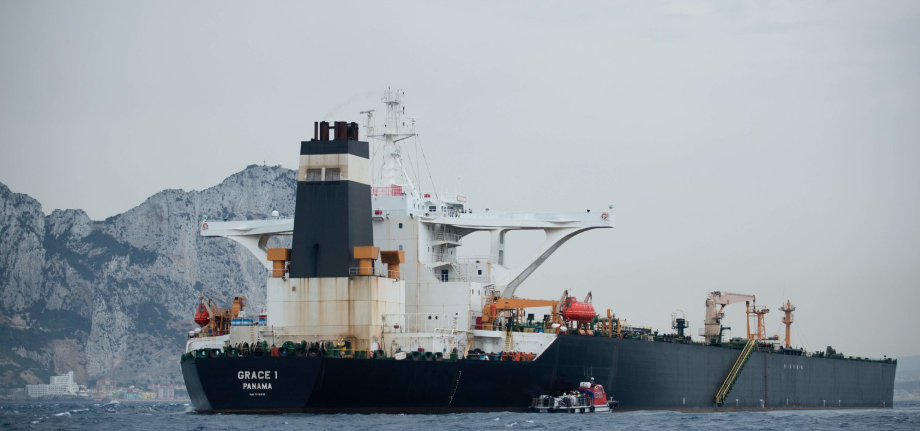
New satellite intelligence and maritime tracking data have revealed that the Iranian-flagged vessel recently seized by international authorities was a key player in a “ghost fleet” frequently used to transport sanctioned crude oil to China. The tanker, which had been operating under various aliases and flags of convenience over the last year, was intercepted after a multi-national naval operation identified its involvement in unauthorized ship-to-ship transfers in the Indian Ocean. Maritime analysts from several global monitoring groups confirmed that the vessel’s transponder was habitually deactivated—a tactic known as “going dark”—during its long-haul journeys between Iranian loading terminals and Chinese refineries. This specific fleet is estimated to consist of hundreds of aging tankers designed to bypass Western sanctions, providing a critical economic lifeline through the clandestine energy trade.
Despite the seizure, experts suggest that the incident highlights the growing sophistication of the shadow maritime economy, where complex corporate layers often shield the true owners of the cargo. Investigations into the ship’s logs show that it made at least six trips to Chinese ports in the past eighteen months, often offloading millions of barrels of oil that were subsequently re-labeled as originating from third-party countries. While the seizure represents a tactical success for sanctions enforcement, the sheer volume of the remaining fleet continues to pose a challenge for global regulators. The captured vessel is currently being held at a secure port for further inspection of its cargo and navigational records, while diplomatic tensions remain high as regional powers assess the fallout of the disruption to this high-stakes, “under-the-radar” supply chain.