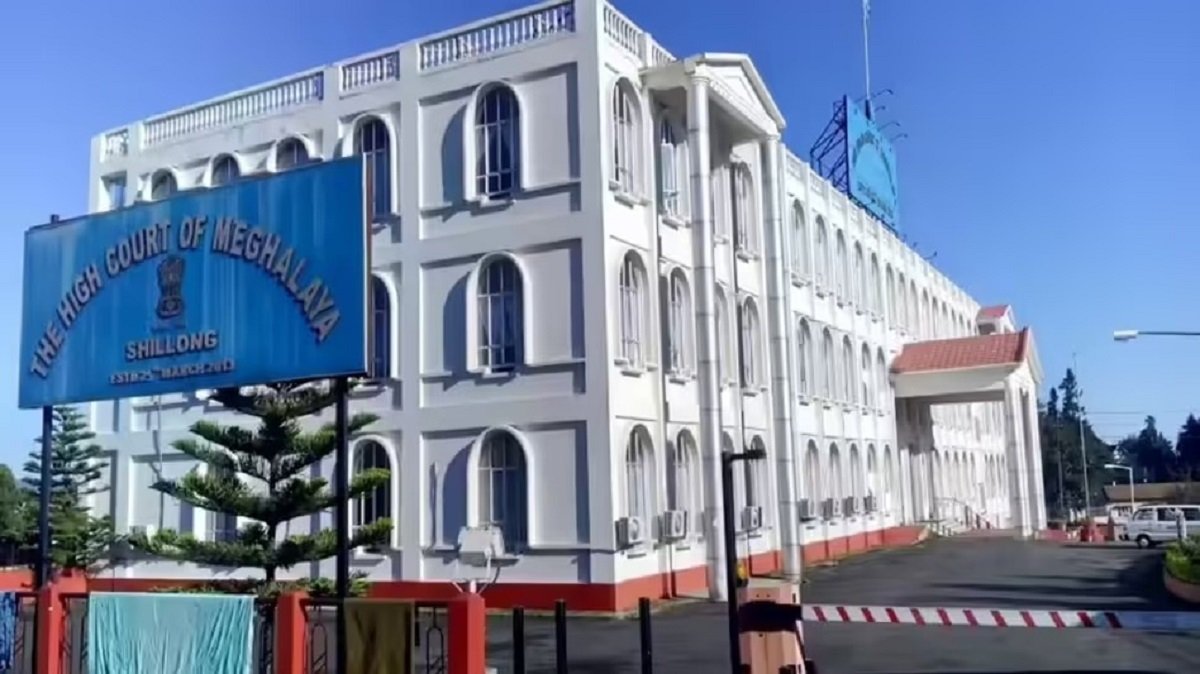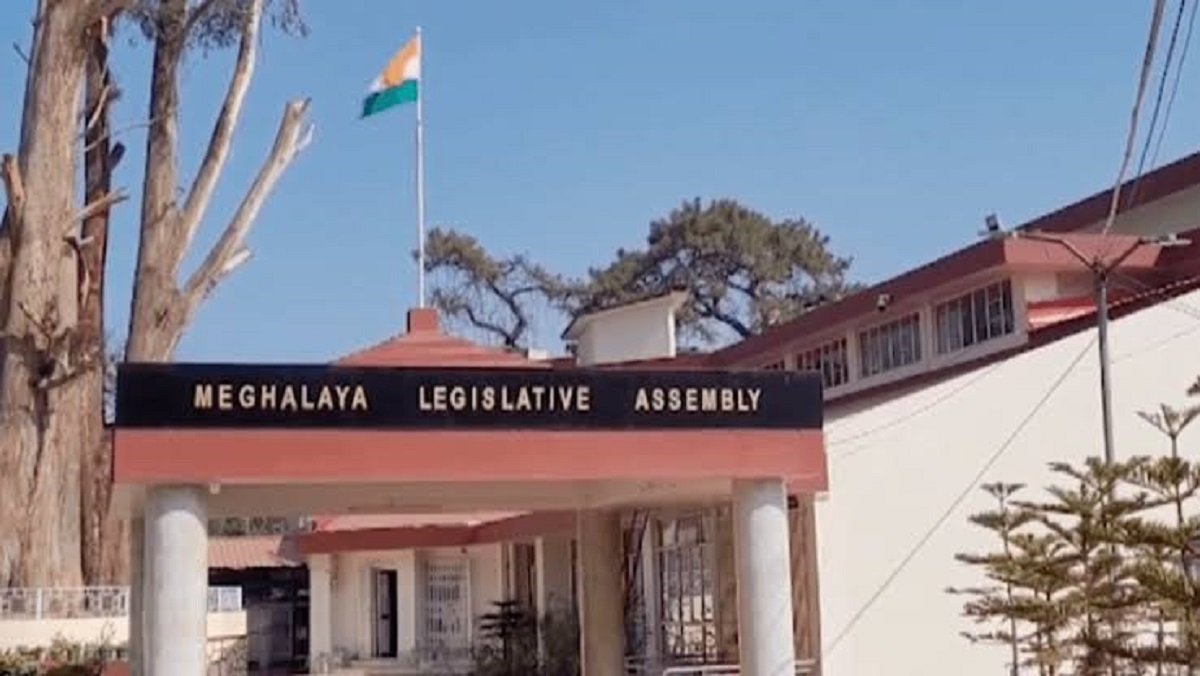
The Meghalaya Legislative Assembly unanimously passed a resolution prohibiting uranium mining and the establishment of any uranium ore‑processing facility in the state.
The resolution, moved by Chief Minister Conrad K. Sangma and supported by all 60 MLAs, reflects decades of resistance by traditional institutions, student groups, civil society organisations and communities in uranium‑bearing areas such as Domiasiat, Wahkijn and Lostoin. Sangma described the decision as “historic and significant,” stressing that it sent an unequivocal message that Meghalaya did not want uranium mining.
The resolution draws strength from the state’s unique landholding system under the Sixth Schedule, where private, clan and community ownership extends to minerals beneath the land. It also cites the Supreme Court’s 2019 ruling affirming that mining leases cannot be granted without the consent of landowners.
Leader of the Opposition Mukul Sangma welcomed the move, urging sustained engagement with the Centre and vigilance against changes to mining laws that could dilute customary rights. Other legislators highlighted environmental risks and the availability of renewable energy alternatives as reasons to reject uranium projects.
Resistance to uranium exploration dates back to the 1980s, when deposits were identified in Domiasiat. Protests intensified in the 1990s, led by the Khasi Students’ Union and local leaders, eventually halting exploratory drilling. The movement gained symbolic strength from residents like Spelity Lyngdoh Langrin, who famously refused lucrative offers to allow mining on her land.