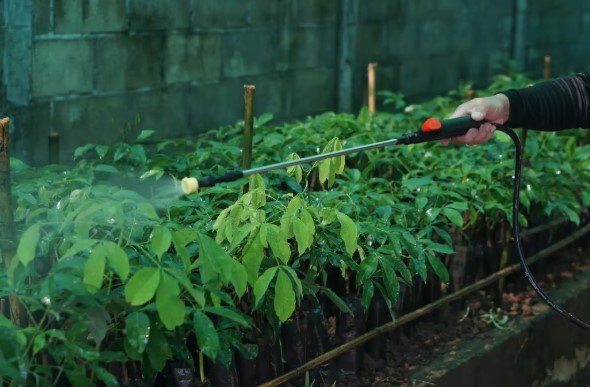
A new generation of advanced AI-powered retrosynthesis software is breaking down traditional industrial silos, emerging as a critical bridge that unifies molecular discovery across the pharmaceuticals, agrochemicals, and fragrance sectors. Historically, these industries operated in isolation, using distinct methodologies to synthesize everything from life-saving oncology drugs and crop-protection pesticides to delicate, multi-layered aroma compounds. Today, predictive chemical intelligence platforms are fundamentally reshaping this landscape by analyzing millions of documented organic reactions to chart optimal, cost-effective, and highly scalable synthetic pathways from target molecules back to commercially available starting materials.
By leveraging deep learning models and automated rule generation, modern retrosynthesis software enables research and development teams across all three sectors to dramatically compress the timeline from initial computer-aided design to actual benchtop execution. In the pharmaceutical arena, the software helps researchers bypass tedious trial-and-error chemistry to identify greener, safer reaction steps for complex active pharmaceutical ingredients (APIs). Simultaneously, agrochemical companies are utilizing the same underlying algorithmic logic to engineer bio-friendly crop solutions, while flavor and fragrance houses deploy the technology to discover sustainable, nature-identical scent molecules that avoid complex natural harvesting. This cross-industry convergence is fueling a massive surge in R&D efficiency, as shared synthetic methodologies allow breakthroughs in one vertical to rapidly optimize production pipelines in another. As chemical supply chains face increasing regulatory pressure to reduce environmental footprints, the adoption of unified digital route design platforms is rapidly transitioning from an experimental luxury to a core competitive necessity, fundamentally changing how the molecules of tomorrow are conceived and manufactured.