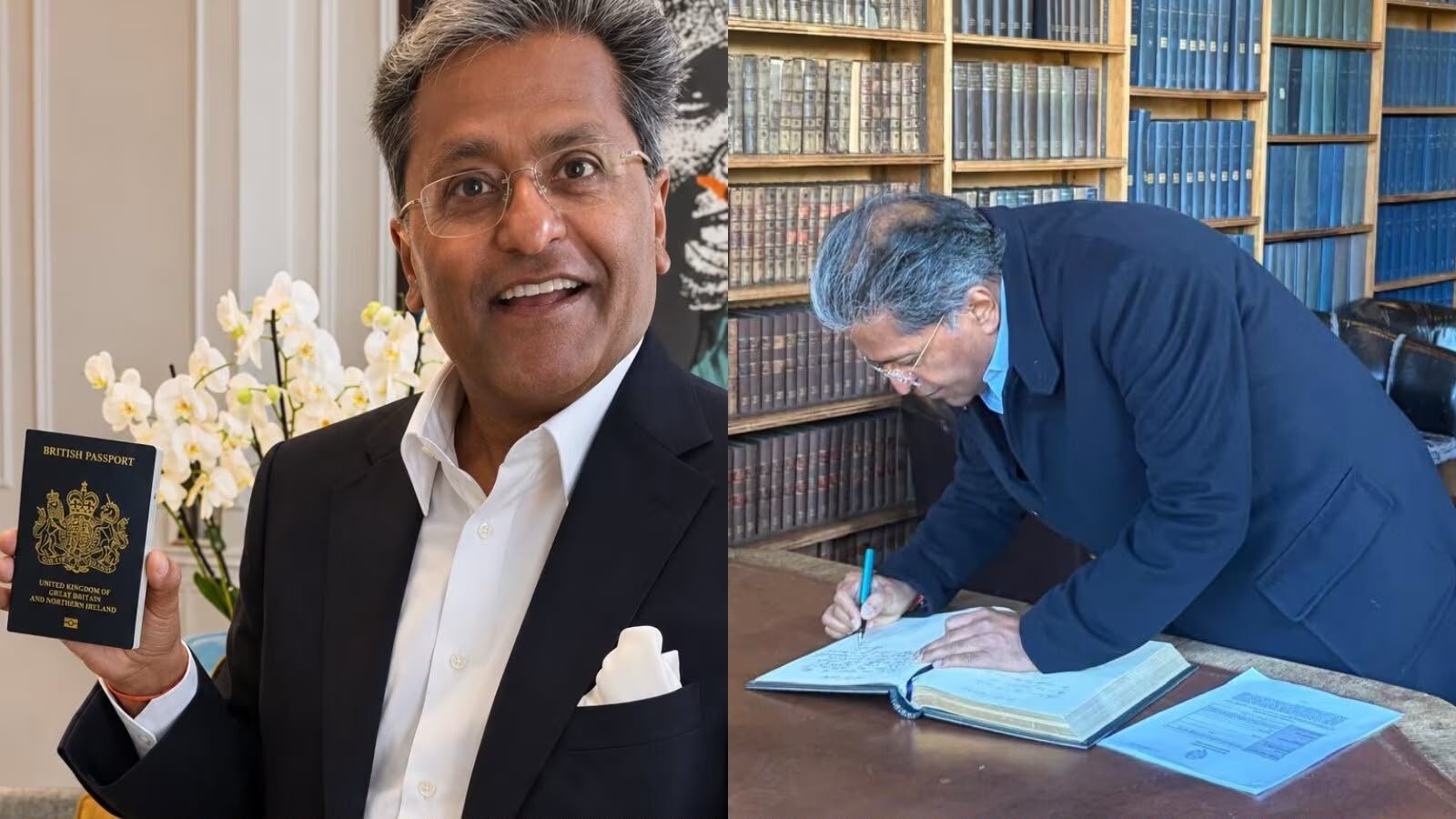
Lalit Modi, the founder of the IPL who left India in 2010 facing multiple allegations including tax evasion and money laundering, has obtained British citizenship. He made the announcement during an event at the Oxford Union. This development has heightened concerns that the legal process to bring him back to India will become significantly more complicated.
In a post on ‘X’ (formerly Twitter) on Saturday, the 62-year-old revealed that he celebrated his citizenship on September 15 with family and friends. Describing the UK as his long-term home, he stated that becoming a British citizen is a special privilege and responsibility, which he accepts with pride and gratitude.
Modi has consistently refused to return to India, citing threats to his life from the underworld and other quarters, and claims to be a victim of a political conspiracy. These claims previously stalled the process of issuing an Interpol Red Notice against him.
Meanwhile, government sources stated that while British citizenship does not provide Lalit Modi with a legal shield or formally block his extradition under the 1992 India-UK treaty, the likelihood of his return has become quite slim. With direct deportation no longer an option, formal extradition remains the only legal alternative for India.
However, the source noted that there are precedents, such as the extradition of British citizens Christian Michel (accused in the AgustaWestland scam) and bookie Sanjeev Chawla, and efforts to bring Modi back will continue.
Notably, the Enforcement Directorate (ED) had registered a money laundering case against Modi for allegedly taking bribes exceeding ₹125 crore in exchange for IPL broadcasting rights in 2009. The ED began its investigation based on an FIR registered by the Central Crime Branch of the Tamil Nadu Police on October 13, 2010. Subsequently, his passport was cancelled by the Regional Passport Office in Mumbai on March 3, 2011, though it was later restored following an order from the Delhi High Court.
In November 2012, an official request was made to the UK government to extradite the fugitive Modi, but London rejected the request on December 21 of that year, citing domestic laws. Later, in 2015, a Mumbai court issued a non-bailable warrant against him, and the CBI sent documents to Interpol to issue a notice. At that time, Modi had also applied for citizenship in the Caribbean nation of Saint Lucia through an investment scheme.