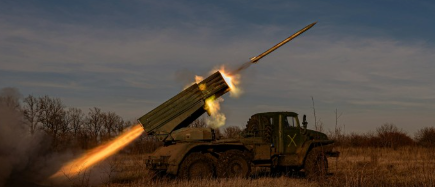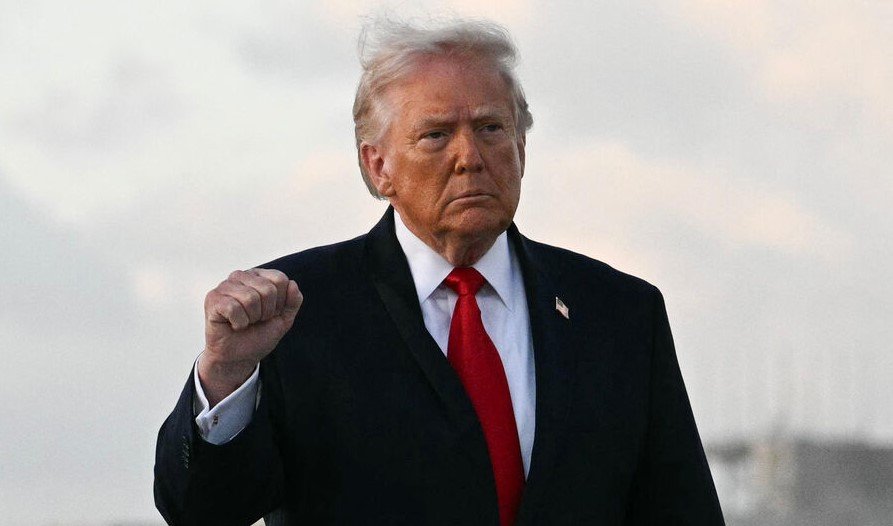
The precarious Middle East ceasefire has virtually evaporated following a severe escalation in rhetoric and military action between Washington and Tehran. US President Donald Trump issued a blunt ultimatum to the Iranian leadership, warning that the military would “bomb the s*** out of them” if they continued to delay signing a comprehensive peace agreement proposed by American negotiators. The warning coincided with consecutive nights of targeted US “self-defense strikes,” during which U.S. Central Command deployed precision munitions and 49 Tomahawk missiles to dismantle Iranian air defense sites, communication systems, and surveillance hubs, with some targets hit just 40 miles outside Tehran. The White House emphasized that these aggressive measures are intended to push Iran to the negotiating table, secure the definitive reopening of the Strait of Hormuz, and ensure the Islamic Republic cannot acquire nuclear weapons.
In response to the heavy American bombardment, Tehran has fiercely rejected what it terms US coercion and military folly, promising an unyielding defense. Brigadier General Majid Mousavi, a top commander in the Islamic Revolutionary Guard Corps (IRGC) Aerospace Force, issued a chilling counter-threat, declaring that Iran would “turn the region into hell” for its adversaries if its sovereign territory and the sacred Strait of Hormuz were compromised. Backing up this fiery rhetoric, the IRGC claimed it launched retailatory explosive drone and missile strikes targeting US military assets and regional facilities across Bahrain, Kuwait, and Jordan. While Iran officially declared the critical Strait of Hormuz closed to all maritime traffic, US defense officials disputed the claim, insisting that commercial shipping vessels continue to transit the waterway under heavy surveillance, as both nations hover on the precipice of an uncontainable, full-scale regional war.