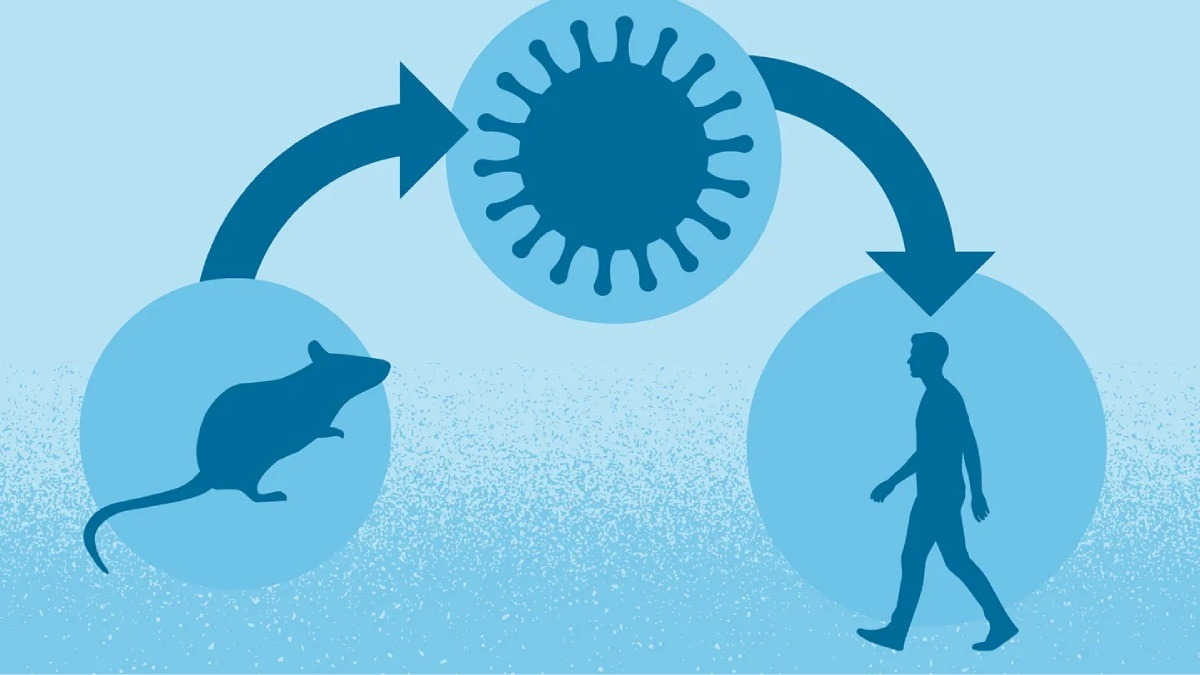
Pulmonologists are warning that routine household cleaning activities such as sweeping, vacuuming or even breathing inside dusty rodent-infested spaces could expose people to dangerous airborne viruses capable of causing severe lung disease.
Health experts say many people underestimate the risks posed by rats and mice, often associating them only with food contamination. However, doctors caution that invisible airborne particles from rodent droppings, urine and nesting materials may pose a far greater threat.
According to Arjun Khanna, Head of Pulmonary Medicine at Amrita Hospital, unprotected cleaning of rodent-infested spaces can lead to serious respiratory infections, including Hantavirus Pulmonary Syndrome, a rare but potentially fatal viral disease affecting the lungs.
“People who sweep or vacuum dry rodent droppings, urine or nesting material can stir up microscopic contaminated particles into the air,” Dr. Khanna said. “These particles can then be directly inhaled into the lungs while breathing.”
The Centers for Disease Control and Prevention (CDC) also warns against dry sweeping or vacuuming rodent waste because it can aerosolise virus-containing particles, increasing the risk of inhalation.
Doctors say the early symptoms of Hantavirus Pulmonary Syndrome may initially resemble a mild flu infection, including fever, body aches, fatigue and headaches. However, the illness can rapidly worsen as fluid accumulates in the lungs, leading to severe breathing difficulties.
Research indicates that the disease has a fatality rate of nearly 38 percent. Pulmonologists stress that protective equipment is essential during clean-up operations.
“Gloves act as a barrier between contaminated material and the skin, while masks help minimise the risk of inhaling infected particles,” Dr. Khanna explained.
Experts say older storerooms, garages, basements, barns, kitchen storage spaces and unused rooms are among the most common places where rodent waste can accumulate unnoticed for long periods.
To reduce exposure risk, the CDC recommends ventilating enclosed spaces for at least 30 minutes before beginning any cleaning. Health specialists also advise spraying rodent droppings thoroughly with disinfectant or bleach solution and allowing it to soak before wiping the area. Doctors caution against using dry brooms or vacuum cleaners directly on rodent waste. “People tend to underestimate exposure inside the home,” Dr. Khanna said. “Sometimes a simple cleaning activity done without proper precautions can turn into a serious respiratory emergency.”