The Meghalaya High Court-appointed Single Member Committee headed by Justice (retd) B.P. Katakey has strongly criticised the state government over continued delays in implementing key measures to curb illegal coal mining, warning that rat-hole mining remains a persistent concern while the legality of coal supplies to coke oven plants is yet to be fully established.
In its 39th Interim Report, the Committee highlighted the absence of a comprehensive action plan, the prolonged delay in adopting a mine-closure policy and shortcomings in the scrutiny of coal-dependent industries across the state.
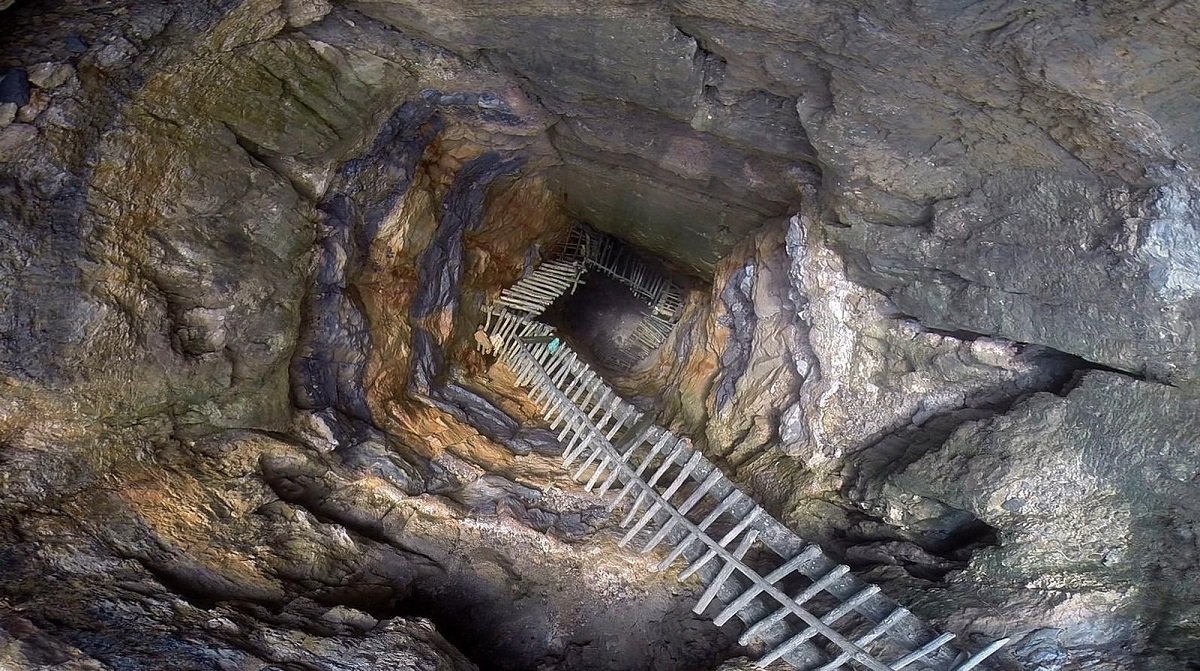
The Committee noted that Meghalaya is yet to formally adopt a policy for closing rat-hole mine openings and fencing hazardous pits that could endanger people and livestock.
Although some measures have been initiated based on the Committee’s recommendations, the proposed policy has not yet been finalised.
The Central Mine Planning and Design Institute Limited (CMPDIL) has prepared Detailed Project Reports (DPRs) for two pilot mine-restoration projects. One is at Sutnga in East Jaintia Hills, estimated at Rs 63 lakh, while the other is at Arenggtim in South Garo Hills, with a projected cost of Rs 92.78 lakh.
Both proposals have reportedly remained pending before the Oversight Committee constituted by the National Green Tribunal (NGT) for more than two months.
Justice Katakey’s panel observed that the DPRs primarily deal with land restoration but do not sufficiently address immediate safety measures such as fencing until restoration work is completed. The Committee stressed the need for urgent intervention, pointing out that thousands of abandoned coal mine openings remain scattered across Meghalaya.
Deputy Commissioners of East Jaintia Hills and South Garo Hills have held meetings with village headmen to identify and prioritise dangerous mine openings located close to settlements. However, proposals from several districts are still awaited by the Mining and Geology Department.
Officials from South West Khasi Hills, West Khasi Hills, West Jaintia Hills and East Jaintia Hills assured the Committee that their proposals would be submitted within 10 days, while South Garo Hills sought 15 days.
The Committee recommended that the proposed mine-closure policy give priority to openings located near human settlements and establish firm deadlines for implementation.
The Committee also expressed concern over the delay in finalising a comprehensive action plan to prevent, detect and control illegal coal mining and transportation throughout Meghalaya.
The plan, prepared by the Mining and Geology Department, is still awaiting approval from the competent authority despite being described as being of “utmost necessity”.
At a review meeting held in Shillong on June 29, the department’s Secretary had informed the Committee that the plan would be finalised within a few days and notified within two weeks.
However, the Committee observed that the same action plan recommended in its previous report continues to remain pending while allegations of illegal mining and transportation persist.
The Committee has also ordered renewed scrutiny of coal supplies to coke oven plants in South West Khasi Hills following concerns over the legality of their coal sources.
An audit committee appointed by the High Court reportedly found no verification establishing that coal procured by the plants from within Meghalaya originated from legal sources.
During inspections conducted by the district administration on June 1, a total of 10 coke oven plants were identified. Three were found non-operational due to the absence of Consent to Operate (CTO).
At the same time, records of the Meghalaya State Pollution Control Board showed Consent to Establish had been granted to 15 plants, while 10 had valid CTOs.
The Committee noted that some plants obtain coal from outside Meghalaya, some procure it locally, while others use supplies from both sources. However, the district administration had not verified whether imported coal complied with the 2024 Standard Operating Procedure or whether locally sourced coal was legally obtained.
Justice Katakey has therefore directed a fresh field inquiry into the existence and approvals of the plants, their sources of coal and compliance with the prescribed SOP. The Committee will also undertake physical inspections across the state in coordination with district-level task forces.
Several coke oven plants have already received demand notices involving lakhs of rupees, with recovery and closure proceedings initiated in some cases.
The Committee has further ordered verification of month-wise coal consumption and coke production from January 1, 2026, amid allegations that illegal coal may still be entering the industrial supply chain.
Similar scrutiny is being carried out against ferro-alloy plants and cement companies. Show-cause notices have also been issued to units of Star Cement over questions surrounding their coal sources.
The Committee also expressed concern over the absence of the Member Secretary of the NGT Oversight Committee at the June 29 review meeting.
According to the report, the absence is contributing to delays in approving funding proposals involving the Central Pollution Control Board and the Meghalaya Environment Protection and Restoration Fund.
The latest report has once again underlined the need for time-bound action by the state authorities, particularly on mine closure, illegal coal transportation and verification of coal supplies to industrial units.