Ministry of Finance has directed state-run banks, insurers, and financial institutions across India to implement a series of cost-cutting measures, including restrictions on travel and a gradual shift toward electric vehicles, according to an official order reviewed by Reuters.
The directive, issued by the Department of Financial Services, is part of a broader government austerity push aimed at reducing expenditure amid growing global economic uncertainty.
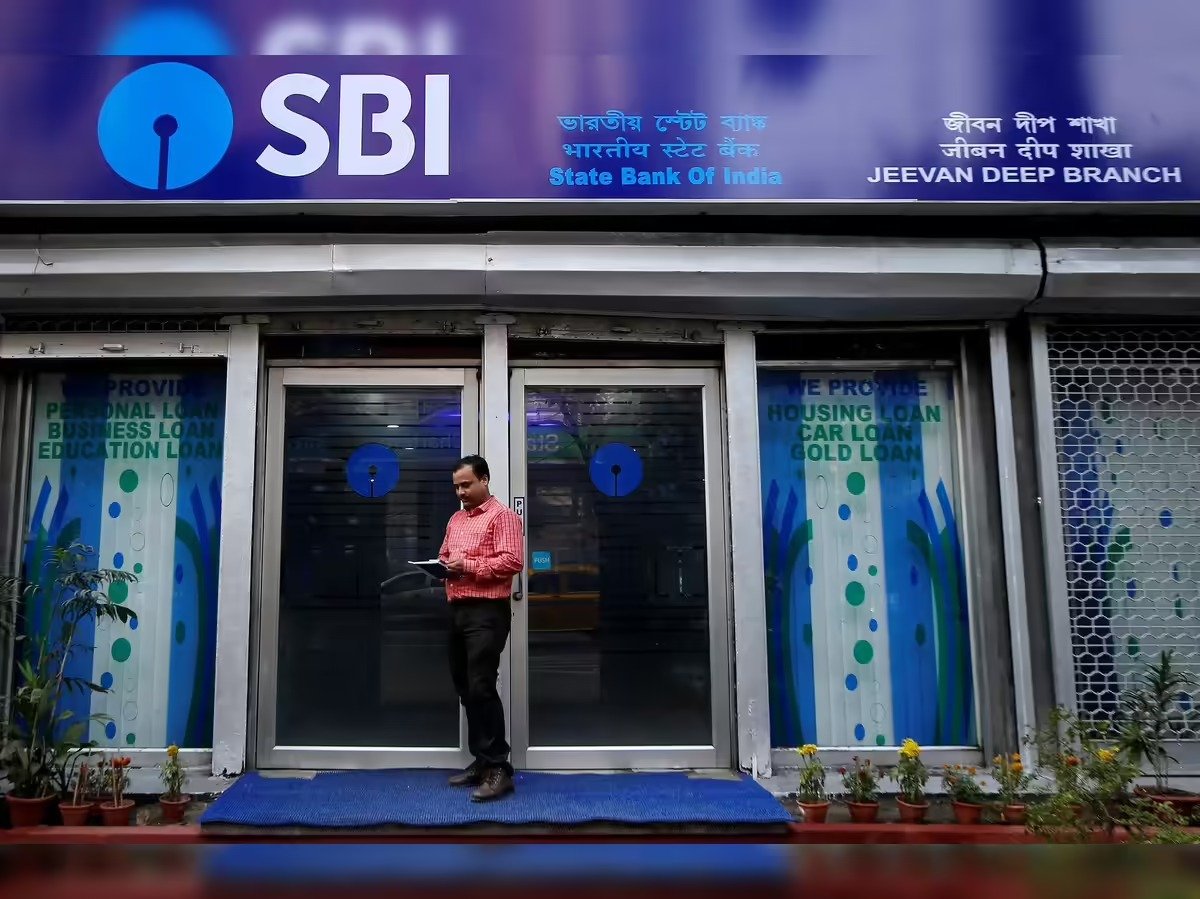
The measures will apply to major public sector financial institutions including State Bank of India, Bank of Baroda, and Life Insurance Corporation of India, affecting millions of employees nationwide.
Under the new guidelines, meetings, consultations, and review sessions are to be conducted through video conferencing unless physical presence is considered absolutely necessary. The order also calls for stricter control over foreign travel by senior executives, including chairpersons, managing directors, and chief executive officers.
According to the directive, overseas engagements should be attended virtually whenever possible, while foreign travel must remain within prescribed limits.
In addition to travel restrictions, the government has asked public financial institutions to accelerate the adoption of electric vehicles as part of efforts to reduce fuel and operational costs.
“All organisations may aim at replacing the petrol and diesel vehicles hired by them in their head offices and branch offices by electric cars as far as possible,” the order stated.
The move comes shortly after Narendra Modi reportedly urged officials to exercise restraint in government spending and adopt austerity measures in response to rising global economic pressures.
Officials are increasingly concerned about the economic impact of prolonged geopolitical tensions in West Asia, which could slow economic growth, increase inflationary pressures, and strain India’s balance of payments.
The Indian Rupee has also come under pressure this year, emerging as one of Asia’s weakest-performing currencies amid global market uncertainty.
Meanwhile, several Indian states have already introduced additional cost-saving measures, including directing government employees to work from home two days a week to reduce operational expenses.
The latest directives reflect the government’s broader strategy to improve financial efficiency while promoting digital operations and cleaner transportation across public sector institutions.