Indian Central Armed Police Forces’ (CAPF) discontent comes to the forefront as personnel assert that pension disparity and leadership structure are eroding morale from below.
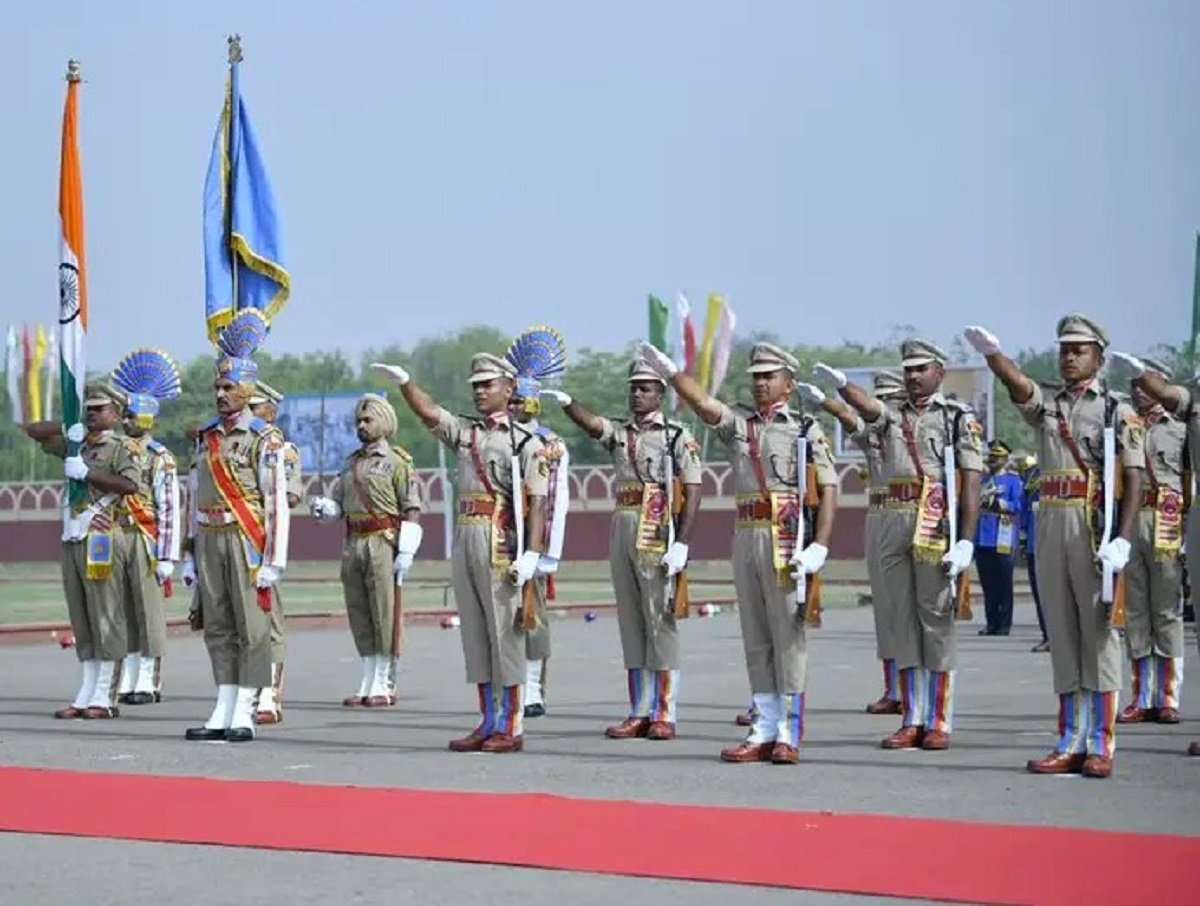
The CAPFs are comprised of CRPF, BSF, ITBP, CISF and SSB; their internal security, counter-insurgency and border management role is critical. However, although the CAPFs are legally defined as “Armed Forces of the Union” and afforded all the rights and benefits thereof under various Laws, they have not been granted Old Pension Scheme (OPS) like the Military does.
The NPS was commenced on 01 Jan 2004 and introduced a “non-defined benefit” pension scheme on market linked basis, for all new central government recruits. The Military was exempt from being transitioned to the NPS by the Ministry of Defence; however, new CAPF entrants from now on fall under the NPS Program.
For many members within the Central Armed Police Forces (CAPF), it is viewed as an arbitrary exclusion that personnel and cadre officers are able to equate their own roles operationally—such as during high-altitude deployments, anti-Maoist operations, etc.—with that of the Army's peacetime role, making the difference in which they receive a pension unjustifiable. Furthermore, the issue has gained traction as there have been multiple petitions filed across courts in recent years.
In January 2023, the Delhi High Court ruled in favor of CAPF personnel stating that they are qualified as Armed Forces of the Union and entitled to the OPS irrespective of their date of appointment, stating that it was inequitable to expect them to perform duties similar in nature as other military forces but not provide them with similar benefits. However, the Union Government has appealed against this ruling and the matter remains under appeal at the Supreme Court where an stay has been issued.Parallel to the pension dispute, concerns over leadership structure have also intensified. Senior positions in CAPFs are traditionally held by Indian Police Service (IPS) officers on deputation. While intended to ensure administrative cohesion, critics within the forces argue that short tenures and differing service backgrounds limit long-term engagement with force-specific challenges.
Certain members of the personnel believe that the lack of sustained advocacy for issues like pensions is indicative of the structural arrangement. Many IPS officers, who are either part of the Old Pension Scheme or have taken an alternate career path, are viewed as being less directly impacted by CAPF-specific welfare issues.
The two-fold problem of pension uncertainty and leadership representation may have a broader effect on morale in general. Because most members work in high-risk environments, the lack of post-retirement security is increasingly viewed as a source of job dissatisfaction.
Security professionals point out that the current debate highlights the challenge in establishing a clear policy regarding the status of CAPFs and evaluating the administrative apparatus that governs them. While the case is still being heard in the Supreme Court, thousands of members who are currently serving in the CAPFs are awaiting a resolution that could have a substantial impact on their future financial well-being.
The issue is currently serving as a significant barometer of how the state weighs its operational reliance on their forces with the issues of institutional equity and employee welfare.