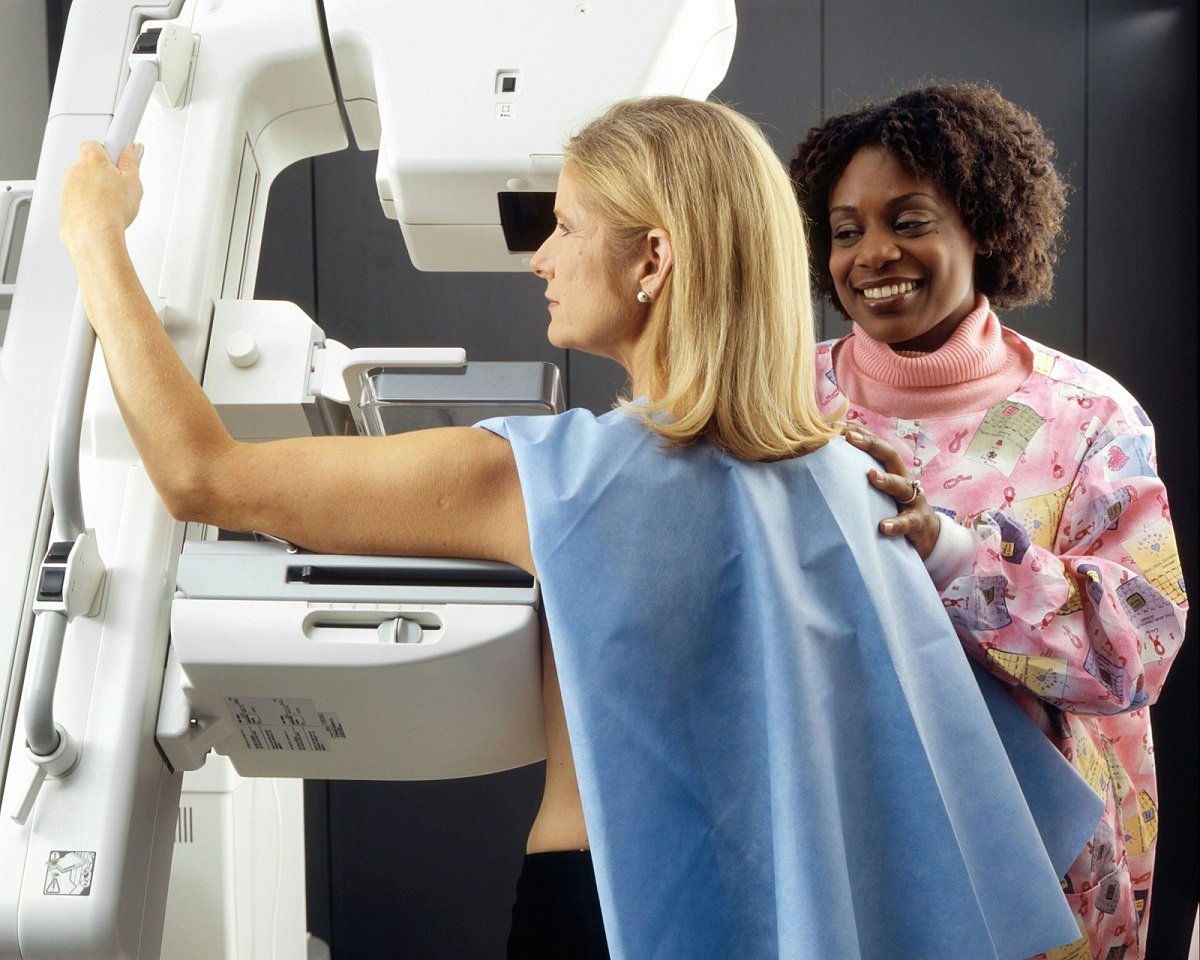
Breast cancer remains the most common cancer among women worldwide and in India; late diagnosis continues to drive high mortality. Traditional screening methods, such as mammograms beginning at age 40 for women at average risk, are primarily designed to detect cancer after it has already developed. However, emerging recommendations from the National Comprehensive Cancer Network (NCCN), supported by findings published in The Lancet, signal a major shift in approach: introducing artificial intelligence (AI)-based risk assessment as early as age 35. This evolution could be especially impactful in countries like India, where awareness and access to early screening remain uneven.
Unlike conventional risk models that rely heavily on family history or genetic predisposition, AI tools can analyze mammographic images to estimate a woman’s future risk of developing breast cancer. This enables a more proactive and personalized strategy, moving beyond detection toward prediction and prevention. This shift is particularly important given that nearly 85–90% of women diagnosed with breast cancer have no known familial or genetic risk factors—meaning many cases go unfledged by traditional models. The updated guidelines recommend identifying women with a five-year risk of 1.7% or higher for closer monitoring or preventive care.
Evidence from a large randomized trial involving over 100,000 women, reported in The Lancet, highlights the effectiveness of this approach. AI-assisted mammography detected 81% of cancers compared to 74% with standard screening, reduced interval cancers by 12%, and identified more aggressive tumors at earlier stages all while maintaining a comparable false-positive rate of around 1.5%. In addition, AI has the potential to ease the burden on radiologists, helping address workforce shortages without compromising diagnostic accuracy.
Starting screening at age 35 is supported by data showing a significant proportion of breast cancer cases occur in women under 50. AI’s ability to detect subtle imaging patterns often invisible to the human eye opens the door to earlier intervention, even before symptoms appear.
In the Indian context, where breast cancer incidence is rising particularly in urban areas and many cases are diagnosed at advanced stages, AI-driven screening could offer a more efficient and targeted solution. By tailoring screening intervals based on individual risk, healthcare systems can prioritize high-risk patients while optimizing limited resources.
That said, integrating AI into screening programs comes with challenges. Cost and infrastructure constraints in low-resource settings, the need to validate AI tools across diverse populations, and concerns around algorithmic bias and data ethics must all be addressed. Crucially, experts emphasize that AI should augment not replace clinical judgment, ensuring that final decisions remain in the hands of trained medical professionals.