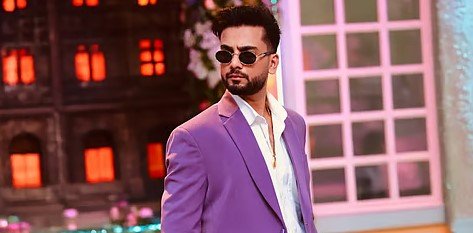
Popular YouTuber and Big Brother OTT winner Elvish Yadav has stirred a fresh debate on social media and legal circles following his recent acquittal by the court in a high-profile case. Stepping out as a free man, Yadav did not just celebrate his victory but raised a poignant and uncomfortable question regarding the Indian legal system and the “media trial” he underwent. “Who will compensate for the mental harassment and the tarnished reputation I endured for months?” he asked, pointing towards the immense psychological and professional toll the legal battle took on him. The case, which had seen him embroiled in allegations ranging from the supply of snake venom at rave parties to money laundering, had dominated headlines for a significant period, leading to his temporary incarceration and widespread public scrutiny. Now, with the court setting him free due to a lack of incriminating evidence, Yadav’s outburst reflects the frustration of many public figures who find themselves acquitted after their public image has already been “convicted” by the court of public opinion.
The news of his release and subsequent statement has sparked a massive wave of support from his “Elvish Army,” while also reigniting discussions about the accountability of investigative agencies and the media. Throughout the trial, Yadav’s legal team consistently argued that the charges were baseless and politically motivated, a stance that has now been vindicated by the judicial verdict. However, the YouTuber emphasized that the “stamp of innocence” comes long after the damage is done. He noted that during the investigation, he lost several brand endorsements and faced a relentless character assassination that no court verdict could easily undo. His question about compensation highlights a growing concern in modern jurisprudence: the lack of a formal mechanism to restore the dignity and financial standing of individuals who are wrongfully accused or harassed through prolonged legal procedures. Legal experts suggest that while civil defamation suits are an option, they are often as tedious as the original trial, leaving the acquitted in a state of perpetual struggle for true justice.
As Elvish Yadav prepares to return to his content creation career, the ripples of his statement continue to be felt across digital platforms. His case serves as a stark reminder of the power and peril of viral fame, where an allegation can travel halfway around the world before the truth has even put on its boots. While his followers celebrate his “triumph of truth,” the broader conversation has shifted toward the need for more responsible reporting and the protection of the “presumption of innocence.” For now, Yadav seems determined to move forward, yet his defiant question remains a haunting critique of the collateral damage often caused by the intersection of law, celebrity, and sensationalism.