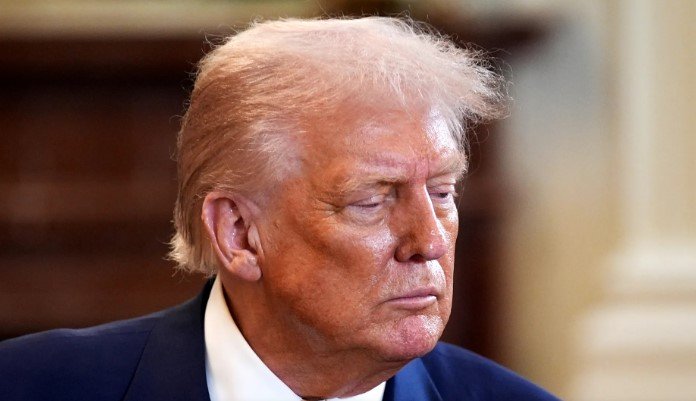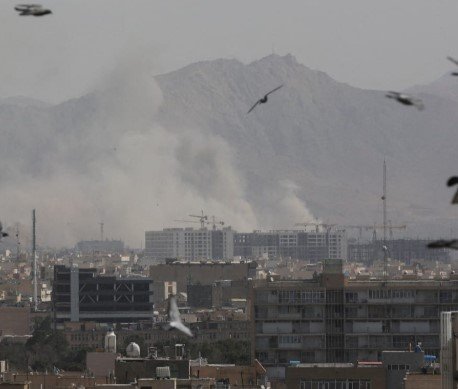
The month-long conflict between the United States, Israel, and Iran has reached a dangerous new peak, with a suspected U.S. airstrike hitting a critical nuclear site in Isfahan while Iran launched a retaliatory drone strike on a fully loaded oil tanker off the coast of Dubai. Early Tuesday morning, massive fireballs were reported over Isfahan, a city that houses essential components of Iran’s nuclear program, including reported stockpiles of highly enriched uranium. President Donald Trump heightened the tension by sharing a video of the explosions on social media, showcasing the intensity of the military operation. This strike follows weeks of an aggressive air campaign aimed at dismantling Tehran’s nuclear and missile capabilities. The situation in Isfahan, which serves as a major hub for nuclear technology, remains critical as analysts monitor for potential radiological releases, although no immediate contamination has been confirmed by international observers.
In a direct response to the ongoing U.S. and Israeli offensive, an Iranian drone targeted the Kuwaiti-flagged oil tanker Al Salmi as it lay anchored near Dubai. The attack on the vessel, which was reportedly carrying approximately two million barrels of crude oil, sparked a significant fire and raised immediate fears of a catastrophic oil spill in the Persian Gulf. Dubai authorities quickly mobilized emergency response and firefighting teams to contain the blaze, eventually bringing it under control without any reported casualties among the 24 crew members. This maritime assault is part of a broader Iranian strategy to maintain a “chokehold” on the Strait of Hormuz, a vital artery for global energy shipments that Tehran has effectively closed in defiance of international pressure. The closure of the waterway and the attacks on shipping have caused global oil prices to skyrocket, with Brent crude surging over 45% since the start of hostilities on February 28.
As the violence spreads across the Middle East, the humanitarian and economic toll continues to mount. The U.S. administration has signaled that it is willing to escalate even further; President Trump has warned that if a deal is not reached “shortly” and the Strait is not reopened, the military will target Iran’s entire civilian energy infrastructure, including power plants and the primary oil export hub at Kharg Island. Meanwhile, the United Nations Security Council has scheduled an emergency session to address the crisis, as neutral countries and international organizations condemn the targeting of nuclear facilities and civilian merchant vessels. With both sides dug into their positions and diplomacy appearing increasingly fragile, the risk of a full-scale regional catastrophe remains at an all-time high, threatening to pull global powers into a protracted and devastating war