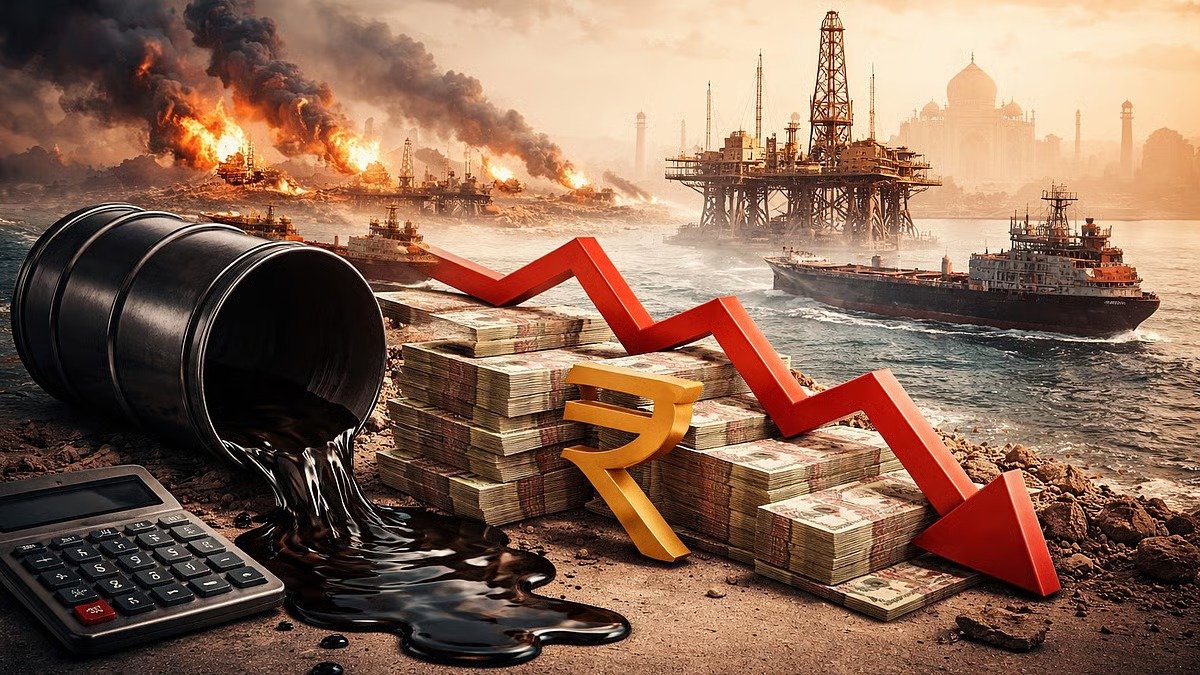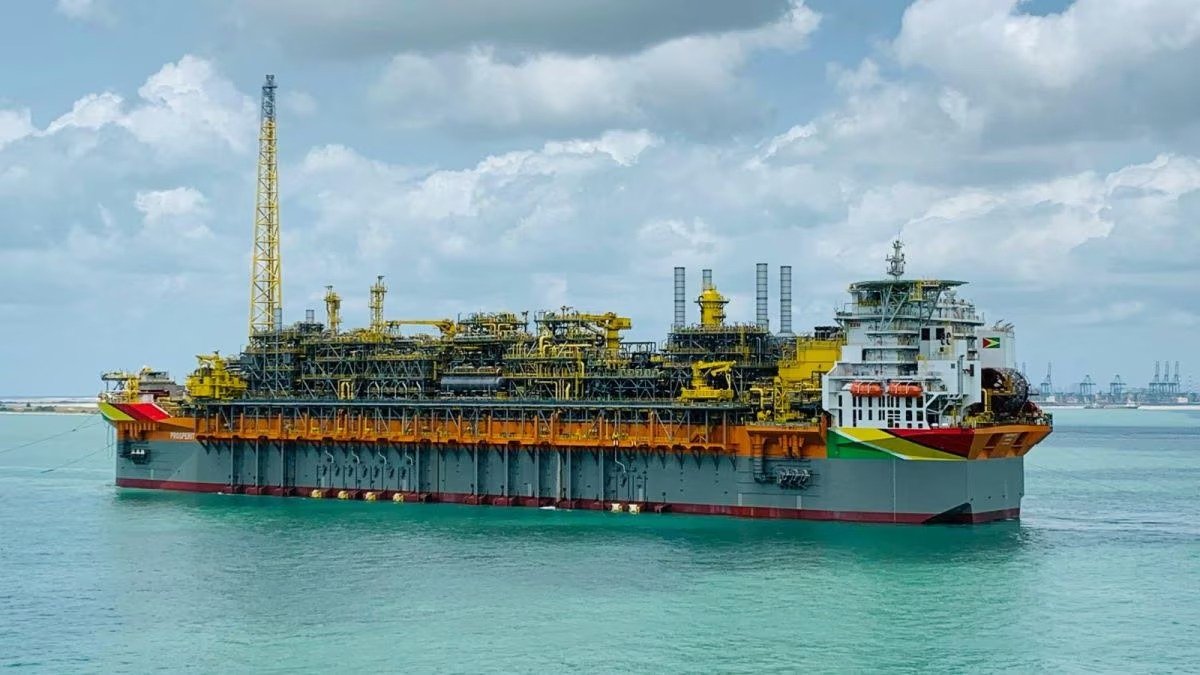
President Donald Trump announced on Friday, March 20, 2026, that the United States is considering “winding down” its military operations against Iran, suggesting that the core objectives of the three-week-old campaign are close to being met. This pivot toward de-escalation follows a volatile week marked by high-stakes strikes on regional energy infrastructure, specifically the massive South Pars gas field. The conflict entered a dangerous new phase after an Israeli strike on the Iranian-controlled portion of the field—the world’s largest natural gas deposit—triggered a fierce retaliatory wave from Tehran. Iranian forces responded by targeting Qatar’s Ras Laffan LNG facility and a Saudi refinery, causing extensive damage and sending global energy prices into a tailspin, with Brent crude briefly surging past $118 per barrel.
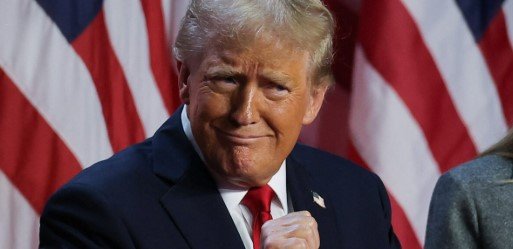
In a series of statements on Truth Social, President Trump moved to distance himself from the specific Israeli decision to target the gas field, claiming the U.S. “knew nothing” of that particular operation and had since instructed Prime Minister Benjamin Netanyahu to cease further attacks on the site. Trump warned that while Israel would hold off, the U.S. would personally intervene to “massively blow up” the entirety of the field if Iran continued to retaliate against America’s Gulf allies, such as Qatar and Saudi Arabia. Despite this stern warning, the President’s overall tone shifted toward an endgame, noting that the military effort—dubbed “Operation Epic Fury”—had significantly crippled the Iranian regime’s ability to produce ballistic missiles or threaten its neighbors.
The economic fallout from the energy “tit-for-tat” has clearly weighed on the administration’s strategy. Beyond the rhetoric of military victory, the White House has taken practical steps to alleviate global supply pressures, including a temporary 30-day waiver on sanctions for Iranian oil already at sea. This move is designed to inject approximately 140 million barrels into the market to curb domestic inflation and assist Asian allies like India and China, who have been grappling with skyrocketing fuel costs. While White House Press Secretary Karoline Leavitt noted that the mission is roughly on schedule for a four-to-six-week duration, Trump’s latest “winding down” signal suggests a desire to exit the active combat phase before the economic contagion worsens or necessitates a politically risky deployment of ground troops, which the President explicitly ruled out this week