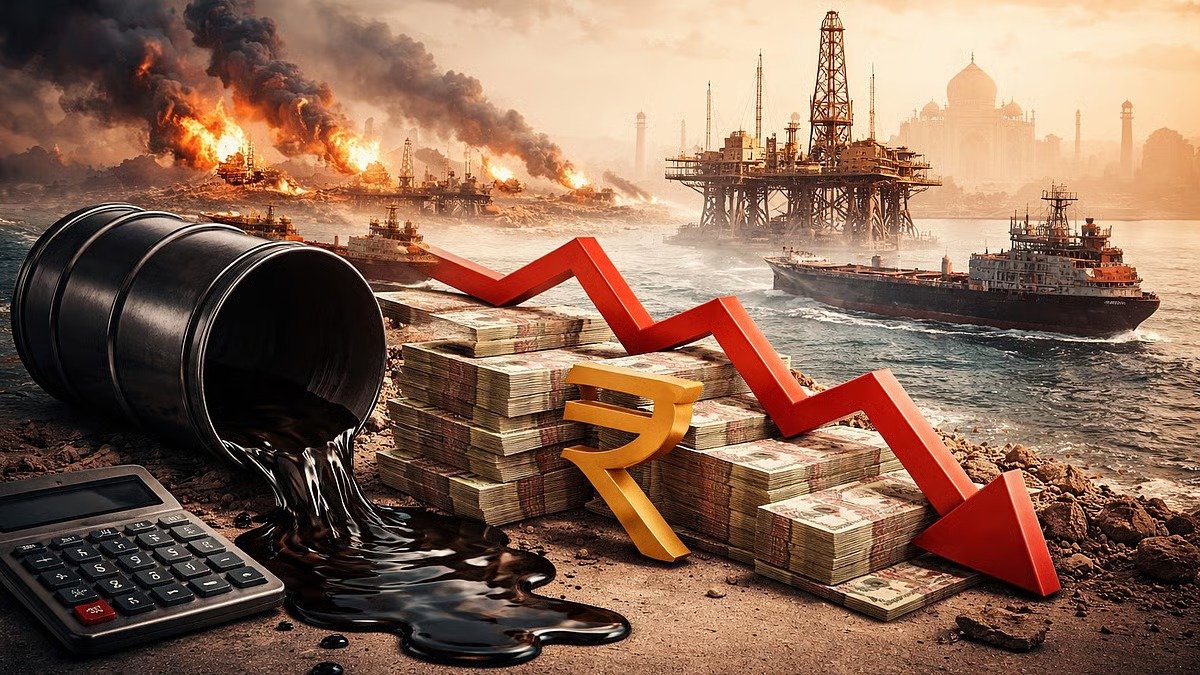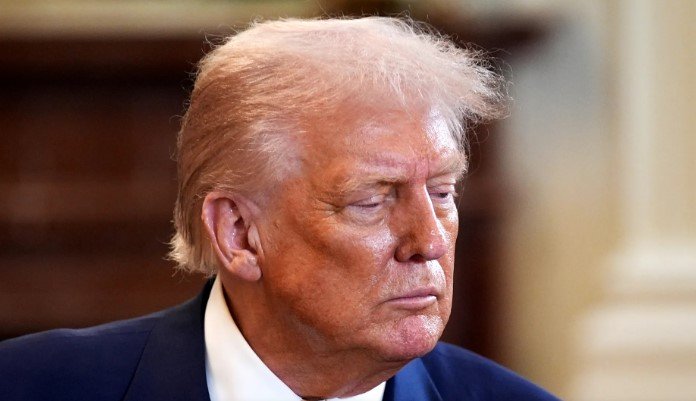
In a move that has sent shockwaves through international diplomatic circles and global energy markets, President Donald Trump has suggested that the United States possesses the capability and potential intent to seize control of Iran’s vast oil reserves. During a recent high-level briefing, the President articulated a remarkably hawkish stance, asserting that the U.S. could “take the oil” as a means of neutralizing Tehran’s primary economic engine and funding source for regional activities. This rhetoric marks a significant escalation from previous cycles of economic sanctions, shifting the conversation toward direct control of natural resources. Trump argued that by controlling Iran’s energy output, the United States could simultaneously stabilize global fuel prices and exert unprecedented leverage over the Islamic Republic’s leadership. Legal experts and foreign policy analysts have immediately raised concerns regarding the international legality of such a move, noting that seizing a sovereign nation’s resources would likely face intense scrutiny under the Geneva Conventions and United Nations charters. However, the administration maintains that “maximum pressure” must evolve into “tangible results” to ensure American security and the protection of its allies in the Middle East.
The implications of such a policy are already being felt in the commodities market, where Brent Crude prices have shown extreme volatility in response to the President’s remarks. Energy analysts warn that any attempt to physically interfere with Iranian oil infrastructure could lead to a catastrophic disruption of the Strait of Hormuz, a critical maritime chokepoint through which a significant portion of the world’s daily oil supply passes. While some domestic supporters of the President view this as a bold strategy to achieve energy dominance and permanently end the “forever wars” by bankrupting adversaries, critics argue it risks a full-scale military confrontation. Traditional U.S. allies have remained largely cautious, with several European leaders calling for a return to diplomatic de-escalation rather than territorial or resource-based threats. As the White House continues to refine its “America First” energy doctrine, the global community is left to wonder if these statements are a tactical bluff designed to force Iran back to the negotiating table or the blueprint for a radical new phase of American interventionism. The coming weeks will be crucial as the State Department attempts to navigate the fallout from these comments while balancing the President’s assertive vision for regional control.