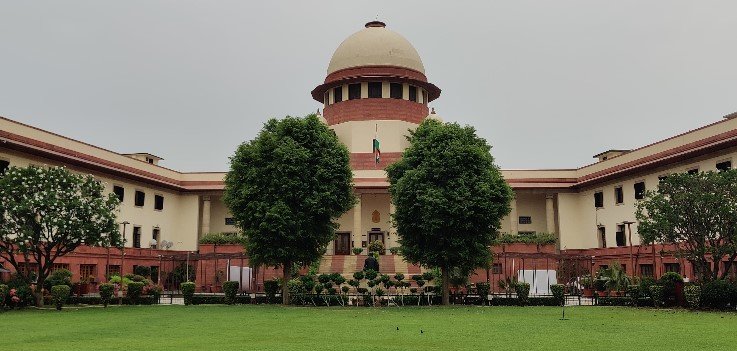
In a significant judicial intervention regarding the welfare of military trainees, the Supreme Court of India has formally asked the Central Government to clarify whether cadets who are boarded out of military academies due to disabilities sustained during training can be granted “ex-servicemen” status. The bench raised this pertinent question while hearing a plea that highlighted the plight of young trainees who, despite dedicating themselves to national service and suffering career-ending injuries in the line of duty, are often left without the comprehensive benefits and post-release protections afforded to regular soldiers. Under the current framework, since cadets are technically not “commissioned” at the time of their injury, they fall into a legal grey area that deprives them of the status necessary to access various resettlement schemes, medical facilities, and reserved employment quotas typically reserved for veterans.
The apex court’s inquiry centers on the principle of equity and the state’s moral obligation toward those who sustain life-altering injuries while training for the armed forces. Legal representatives for the petitioners argued that these disabled cadets undergo the same rigorous hardship as enlisted personnel and their disabilities are directly attributable to military service; therefore, denying them the dignity and financial security of ex-servicemen status is discriminatory. The court has urged the Centre to take a holistic and empathetic view of the matter, noting that such a policy change could provide a much-needed safety net for those whose dreams of a military career were cut short by physical misfortune. By seeking a formal response from the Ministry of Defence, the Supreme Court has opened the door for a potential landmark policy shift that could redefine the eligibility criteria for veteran benefits, ensuring that no individual who serves the nation’s defense interests—even in a training capacity—is left behind in the face of disability.