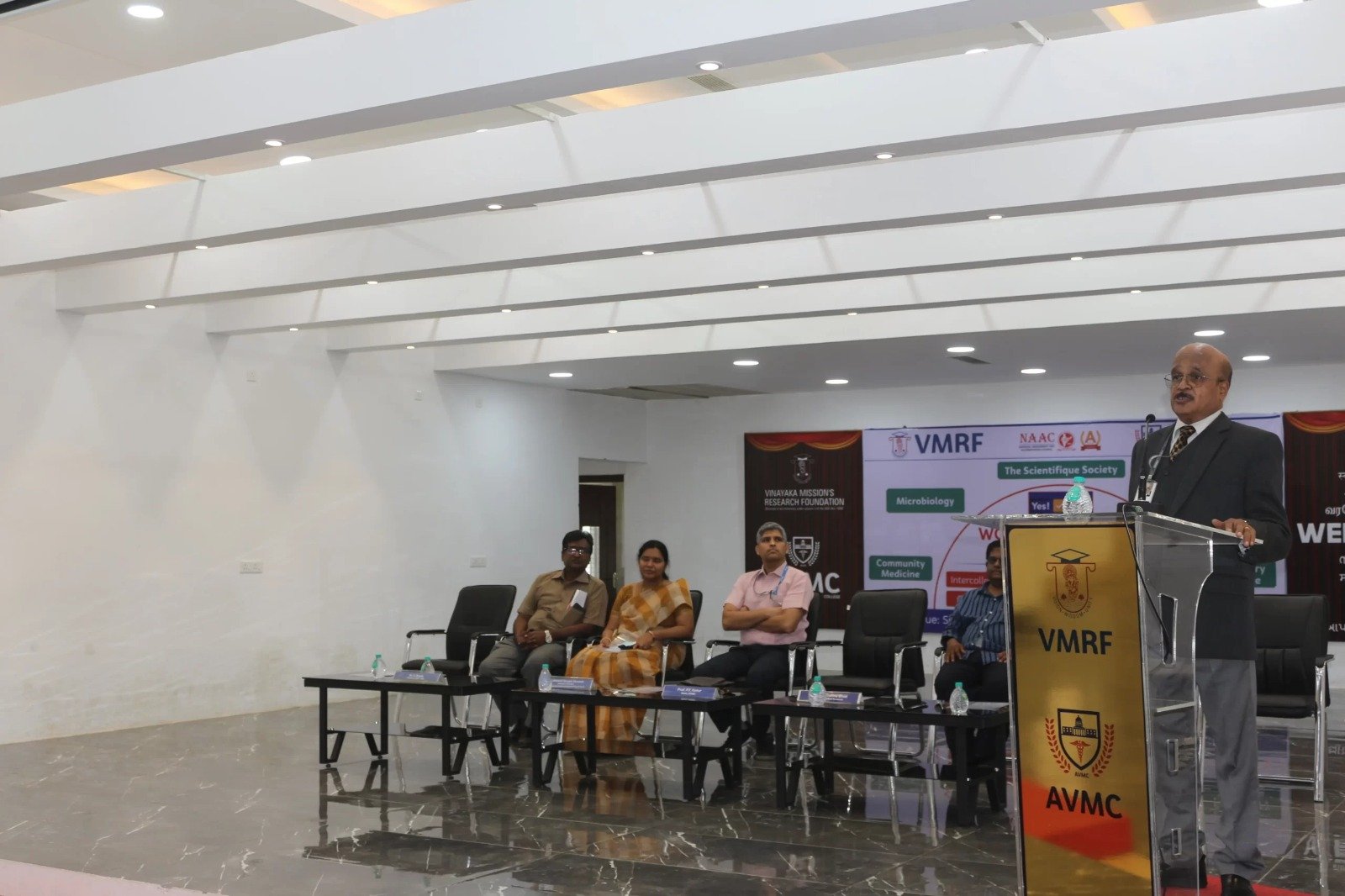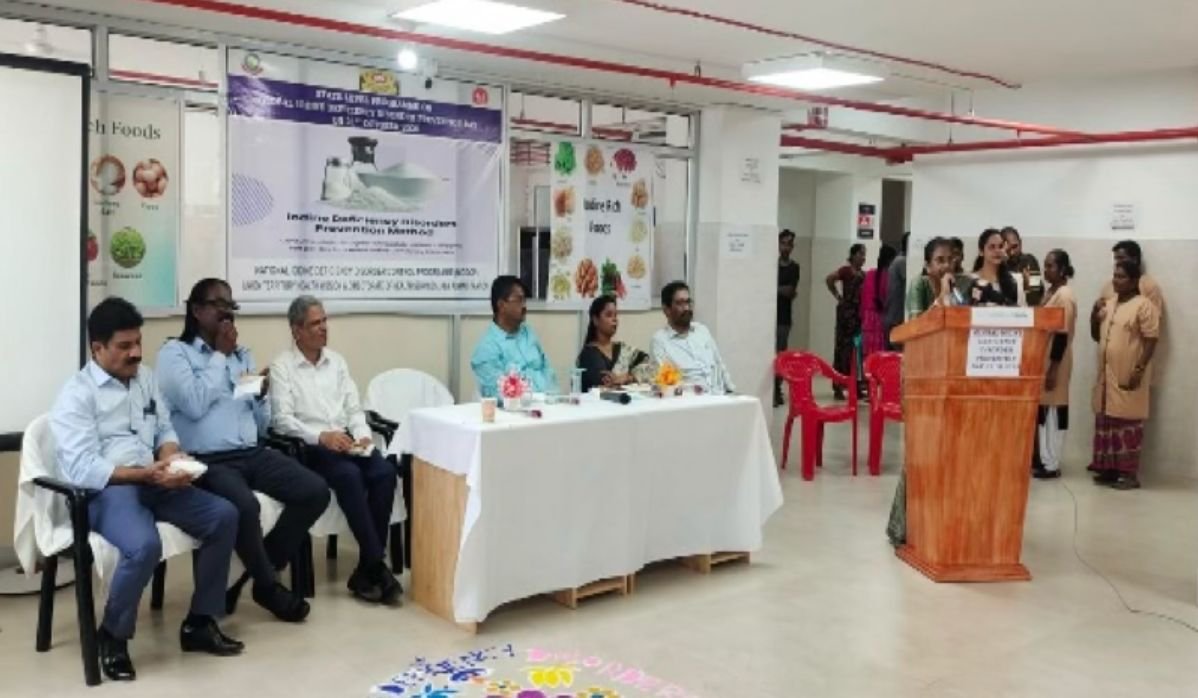
A state-level programme was recently organised under the National Iodine Deficiency Disorders Control Programme (NIDDCP) to assess ongoing efforts in eliminating iodine deficiency disorders (IDD) and to reinforce the importance of iodised salt consumption. The event brought together public health officials, nutrition experts, and representatives from various government departments to evaluate progress and strategize future interventions.
The programme focused on reviewing district-level data, monitoring iodine content in salt supplies, and assessing urinary iodine levels among vulnerable populations, particularly school-aged children. Experts highlighted that while India has made significant strides in universal salt iodisation, emerging trends such as the growing popularity of non-iodised salts—like Himalayan pink salt and rock salt—pose a renewed public health challenge.
Health officials reiterated that iodine is a vital micronutrient required for normal growth, brain development, and metabolic regulation. Deficiency can lead to a range of disorders including goitre, mental retardation, and developmental delays. Studies have shown that children in iodine-deficient regions may lose up to 13 IQ points compared to their peers in iodine-sufficient areas.
The programme also included awareness sessions aimed at educating the public about the risks of iodine deficiency and the benefits of using adequately iodised salt. Stakeholders discussed the need for stricter enforcement of iodisation standards, improved supply chain monitoring, and enhanced public outreach.
Officials from the Salt Department and Ministry of Health emphasized inter-sectoral coordination and the importance of periodic resurveys to ensure sustained progress. Training modules for state health personnel were also introduced to strengthen grassroots implementation.
The event concluded with a renewed commitment to achieving universal salt iodisation and eliminating IDD as a public health problem across the state.