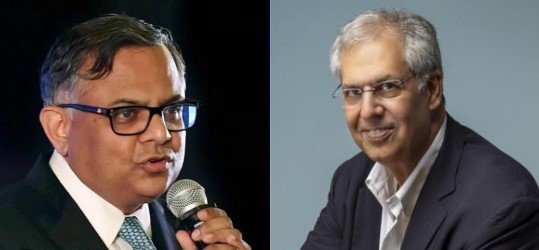
The top leadership at Tata Sons is witnessing a significant shift in dynamics as Chairman N. Chandrasekaran approaches the end of his current tenure in February 2026. While a five-year extension for Chandrasekaran was widely expected given the group’s massive expansion into digital and electronics sectors, Noel Tata, the Chairman of Tata Trusts, has reportedly introduced a set of stringent conditions for the reappointment. This move marks a departure from the relatively autonomous operating style Chandrasekaran enjoyed during the era of the late Ratan Tata. As the head of the philanthropic trusts that own a controlling 66% stake in Tata Sons, Noel Tata is now seeking to recalibrate the relationship between the holding company and its principal shareholders, emphasizing a return to institutional oversight and financial discipline.
One of the primary conditions set by Noel Tata involves enhancing the direct accountability of Tata Sons to the Tata Trusts. Reports suggest that the Trusts want a more active say in high-stakes strategic decisions, particularly concerning capital-intensive and long-gestation projects. While Chandrasekaran has been the architect of the group’s aggressive push into Air India’s turnaround and the multi-billion-dollar semiconductor foray via Tata Electronics, Noel Tata is reportedly concerned about the impact of these massive investments on the group’s overall dividend-paying capacity. The Trusts rely heavily on these dividends to fund their extensive charitable activities across India, and the new conditions aim to ensure that the pursuit of growth does not come at the cost of the group’s traditional commitment to social welfare and financial stability.
Furthermore, the proposed conditions include a reorganization of the Tata Sons board to include more nominees from the Tata Trusts. This structural change is intended to ensure that the vision of the philanthropic arm is more deeply integrated into the commercial strategy of the conglomerate. There is also a renewed focus on “synergy over individual ambition,” with Noel Tata advocating for a more collaborative leadership model where the Chairman works in closer consultation with the Trust’s representatives. While industry analysts view Chandrasekaran as a transformational leader who modernized the Tata brand, Noel Tata’s firm stance reflects a desire to preserve the core values and “Tata way” of doing business, which prioritizes steady, value-based growth over high-risk market dominance.
The ongoing discussions between the two leaders are being watched closely by investors and the global business community. Far from being a personal rift, the situation is being described by insiders as a necessary evolution of the group’s governance framework in the post-Ratan Tata era. By setting these conditions, Noel Tata is effectively ending the “proconsular” style of chairmanship and replacing it with a more balanced system of checks and balances. The final outcome of these negotiations will determine not just Chandrasekaran’s future role, but also the strategic direction of India’s most iconic business house for the next decade.