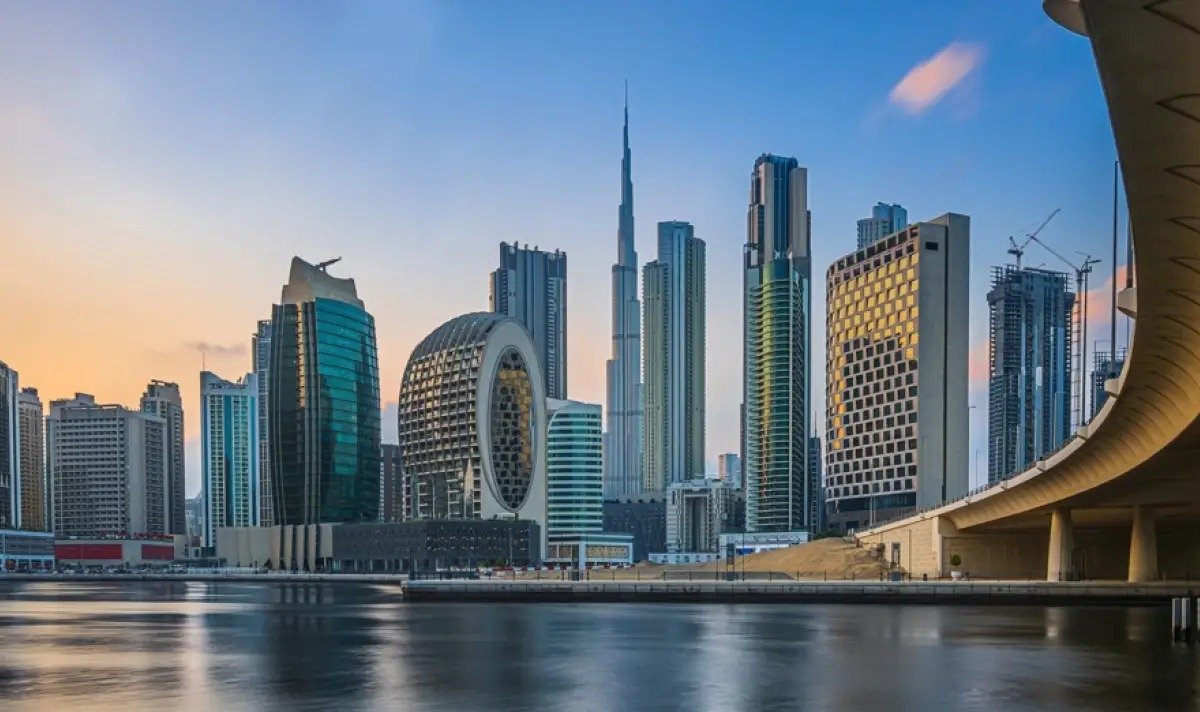
Rising geopolitical tensions involving Iran and parts of the Gulf region are raising fresh concerns among global investors about the stability of Dubai’s booming real estate market. However, industry experts believe the emirate’s property sector is entering this period of uncertainty from a position of considerable strength. A recent research note by the ANAROCK Group suggests that Dubai’s real estate market has historically shown resilience during geopolitical disruptions, with investor confidence typically returning once tensions stabilize. Still, the current conflict has prompted many investors to reassess whether the situation represents a temporary sentiment shock or a deeper structural risk to one of the world’s most dynamic luxury property markets.
Dubai’s property sector has experienced extraordinary growth in recent years. In 2025, total real estate transactions in the emirate reached nearly AED 917 billion (around $250 billion), the highest in the city’s history. Transaction volumes crossed 270,000 deals, reflecting strong investor participation and deep market liquidity.
Residential property has been the key driver of this expansion. Nearly 200,000 residential transactions worth around AED 538 billion were recorded during the year. Since 2021, housing prices in Dubai have risen by roughly 60–75 percent, making the emirate one of the strongest-performing global property markets in the post-pandemic cycle.
According to Prashant Thakur, markets experiencing strong growth cycles often react to geopolitical shocks with a slowdown in transaction activity rather than an immediate correction in property prices. In such situations, buyers tend to adopt a cautious “wait-and-watch” approach before resuming investment activity once the geopolitical environment stabilizes.
The latest tensions have also introduced a new dimension, as reports of attacks reaching parts of the United Arab Emirates have challenged Dubai’s long-standing reputation as one of the safest economic hubs in the region. While physical damage from these incidents has been limited, the psychological impact on international investors could influence short-term investment decisions.
Indian investors play a particularly significant role in Dubai’s property market. According to the report, Indian nationals account for approximately 20–22 per cent of foreign property purchases in the emirate, making them the largest overseas investor group. Attractive rental yields ranging between 6 and 9 percent, geographical proximity, and the stability of the UAE dirham—which is pegged to the US dollar—have continued to draw strong interest from Indian high-net-worth individuals and diaspora buyers.
The market also benefits from strong structural demand driven by the UAE’s expatriate population. Expats make up nearly 88–89 percent of the country’s population, ensuring sustained housing demand across multiple price segments. Additionally, Dubai’s real estate market is supported by a highly diversified investor base, with buyers from more than 150 nationalities participating in property transactions.
Indian developers are also expanding their presence in the emirate’s real estate ecosystem. While established local giants such as Emaar Properties, DAMAC Properties, Nakheel, and Meraas continue to dominate the sector, Indian-origin developers are gaining ground.
Companies like Sobha Realty, known for developing the Sobha Hartland community, and Danube Properties, which has launched more than 20 residential projects, have emerged as prominent players. Other Indian groups, including Shapoorji Pallonji Real Estate and Casagrand, have also begun entering Dubai’s property market with premium developments.
Experts say the current geopolitical tensions will likely introduce caution among investors in the short term. Transaction volumes may slow temporarily as buyers evaluate the evolving risk environment, particularly in speculative segments such as off-plan property purchases.
However, analysts believe Dubai’s position as a global financial and lifestyle hub, combined with its diversified investor base and policy flexibility, continues to provide strong structural support to its real estate sector.
Ultimately, while geopolitical tensions may create short-term uncertainty, the key question for investors will be how quickly confidence returns once the regional situation stabilizes.
Iran Tensions Cast Shadow on Dubai’s $250 Billion Property Boom