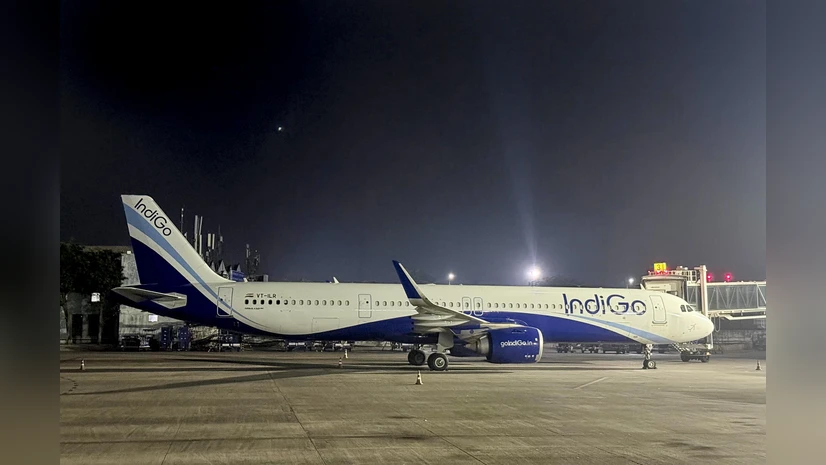
IndiGo, India’s largest airline, said on Friday that its compensation liability is projected to exceed ₹500 crore after widespread flight cancellations disrupted operations across the country beginning December 2, 2025. The cancellations, which stretched for nearly a week, left tens of thousands of passengers stranded and triggered regulatory intervention.
According to the airline, compensation will be provided to passengers whose flights were cancelled within 24 hours of scheduled departure, as well as those severely stranded at select airports. IndiGo emphasised that the process would be transparent and hassle-free, with refunds already being fast-tracked through December and a structured compensation programme set to begin in January 2026.
The crisis stemmed from inadequate pilot roster planning, which forced the airline to cancel nearly 4,500 flights in the first week of December. The Directorate General of Civil Aviation (DGCA) subsequently ordered IndiGo to reduce its domestic winter schedule by 10 percent to stabilise operations.
In a statement, IndiGo acknowledged the scale of the disruption and assured passengers that pending refunds would be credited shortly. “We will be providing compensation which, in our current estimation, will be in excess of ₹500 crore to customers whose flights were cancelled within 24 hours of departure time and to customers severely stranded at certain airports,” the airline said.
The airline also confirmed that an independent aviation review has been launched to identify operational and scheduling failures that led to the crisis. Industry analysts note that this payout could significantly impact IndiGo’s financials in the short term, though the carrier remains committed to restoring customer trust.
Passengers affected by the cancellations have reported long delays, overcrowded terminals, and difficulties in rebooking. While most refunds have already been processed, IndiGo has stated that it will reach out to impacted customers in January to complete the compensation exercise.
This incident is being described as one of the worst operational breakdowns in recent years for Indian aviation, underscoring the challenges of managing large-scale airline operations during peak travel seasons.