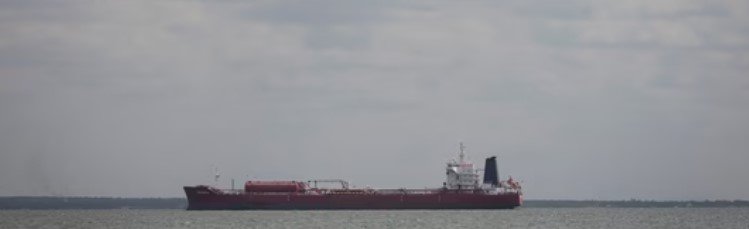
In a significant escalation of its maritime security operations, the Indian Coast Guard (ICG) has seized three oil tankers—the Stellar Ruby, Asphalt Star, and Al Jafzia—following their interception approximately 100 nautical miles west of the Mumbai coast. These vessels, identified by international tracking analysts as being under U.S. sanctions and linked to an Iranian “shadow fleet,” were reportedly engaged in suspicious ship-to-ship transfers within India’s Exclusive Economic Zone (EEZ). According to reports emerging on February 17, 2026, the operation involved a sophisticated sea-air sweep that utilized data-pattern analysis to flag the tankers, which had frequently altered their identities and IMO registrations to evade global enforcement. While the National Iranian Oil Company has publicly distanced itself from the ships, Indian authorities confirmed that the vessels were escorted to Mumbai for a detailed digital forensic investigation into their cargo origins and ownership structures, which are believed to be controlled by overseas syndicates designed to bypass international trade restrictions.
The seizure marks a pivotal moment in India’s foreign policy and maritime strategy, occurring against the backdrop of a notable diplomatic realignment between New Delhi and Washington. Earlier this month, the United States announced a significant reduction in import tariffs on Indian goods—slashing them from 50% to 18%—following a landmark agreement in which India committed to halting its imports of Russian crude oil. This newfound alignment appears to have spurred a crackdown on illicit mid-sea transfers that have long plagued the Arabian Sea, with Indian officials emphasizing their role as a “net provider of maritime security.” To maintain this momentum, the Ministry of Defence has drastically scaled up its presence in the region, deploying a massive task force of 55 ships and up to 12 aircraft for round-the-clock surveillance to ensure Indian waters are not utilized as a transit hub for sanctioned oil smuggling.
Beyond the immediate legal implications for the crews and owners of the three tankers, the incident highlights the complex “cat-and-mouse” game played by intermediaries in the global energy market. Data from LSEG and the U.S. Office of Foreign Assets Control (OFAC) reveals that the seized ships share IMO numbers with previously blacklisted vessels, such as the Global Peace and Glory Star 1, which have a documented history of transporting fuel oil from Iran to various international ports under falsified paperwork. By taking direct action against these “phantom” vessels, India is signaling a stricter adherence to the rules-based international order, even as it balances its own energy needs. As the investigation in Mumbai continues, the focus now turns to whether this enforcement action will become a permanent fixture of India’s maritime policy or if it remains a strategic byproduct of the latest trade incentives offered by the West.