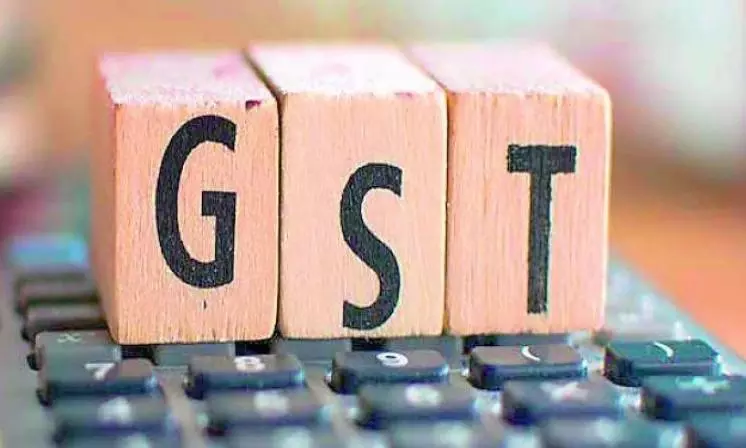
New Delhi, September 9 — India’s logistics and transport sector is poised for significant expansion following sweeping reforms introduced in the 56th GST Council meeting held earlier this month. The new framework, dubbed “GST 2.0,” aims to simplify compliance, reduce tax burdens, and enhance operational efficiency across the supply chain, with implementation set to begin on September 22.
Key changes include the rationalization of GST rates on goods carriages, tires, and third-party insurance. The tax on goods transport vehicles has been reduced from 28% to 18%, while GST on tires and insurance premiums has also been lowered to 18% and 5%, respectively. These measures are expected to ease financial pressure on small fleet owners and encourage investment in safer, more efficient vehicles.
The reforms also streamline tax structures for multimodal and rail transport. The 5% GST rate without input tax credit (ITC) remains in place for smaller operators, while the 12% rate with ITC has been revised to 18%, offering greater clarity and flexibility for organized logistics firms.
In addition, e-commerce deliveries routed through platforms will now be taxed under Section 9(5), shifting GST liability to the platforms themselves. This move is designed to reduce compliance burdens for smaller transporters and improve transparency in last-mile logistics.
The Confederation of Indian Industry (CII) has welcomed the reforms, noting that the simplified compliance structure and faster refund cycles will benefit micro, small, and medium enterprises (MSMEs) and promote cross-border scalability. The All India Transporters Welfare Association (AITWA) also praised the changes, calling them a long-awaited relief for small operators struggling with rising costs.
Industry analysts believe these reforms will lead to increased formalization, improved cash flows, and enhanced competitiveness in the logistics sector. By addressing long-standing pain points and aligning tax policy with operational realities, GST 2.0 is expected to serve as a catalyst for growth in one of India’s most critical economic segments.