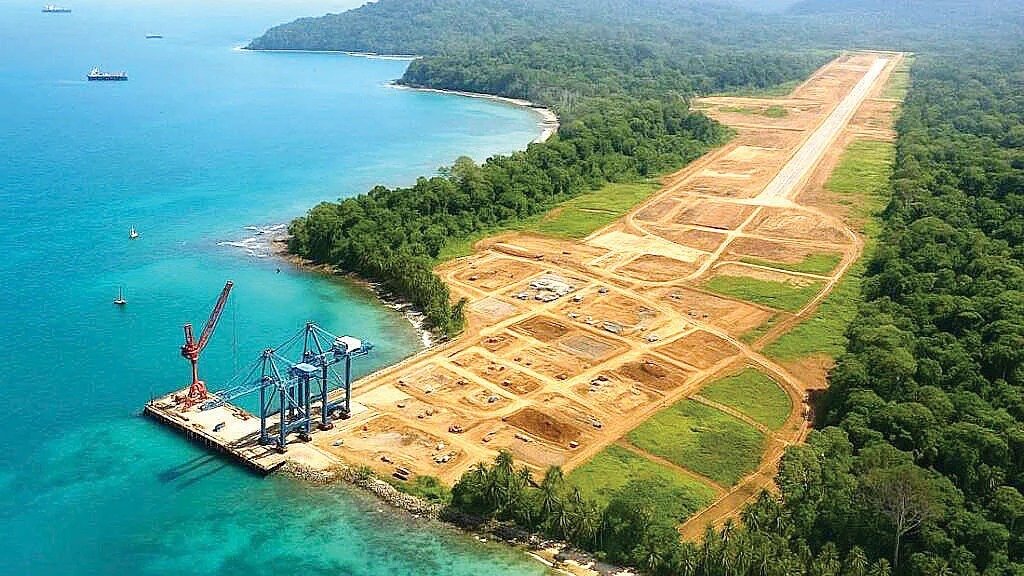
The recent decision of the National Green Tribunal (NGT) to uphold environmental clearances for the Great Nicobar Project has paved the way for major infrastructure development on the island. The ruling allows plans for a transshipment port, airport expansion, township development, and allied facilities to move forward. However, it has also reignited debate over the ecological and constitutional implications of transforming one of India’s most fragile ecosystems.
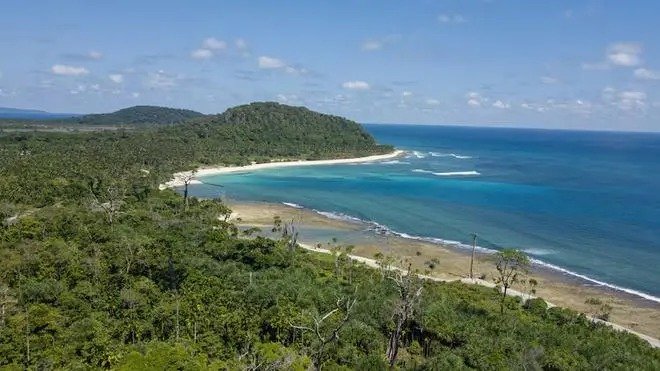
Great Nicobar is among the country’s most biologically and culturally sensitive regions. The island supports globally vulnerable species such as the leatherback sea turtle, the Nicobar megapode, saltwater crocodiles, and the Nicobar macaque. Its beaches and primary rainforests are considered critical habitats shaped by centuries of ecological isolation.
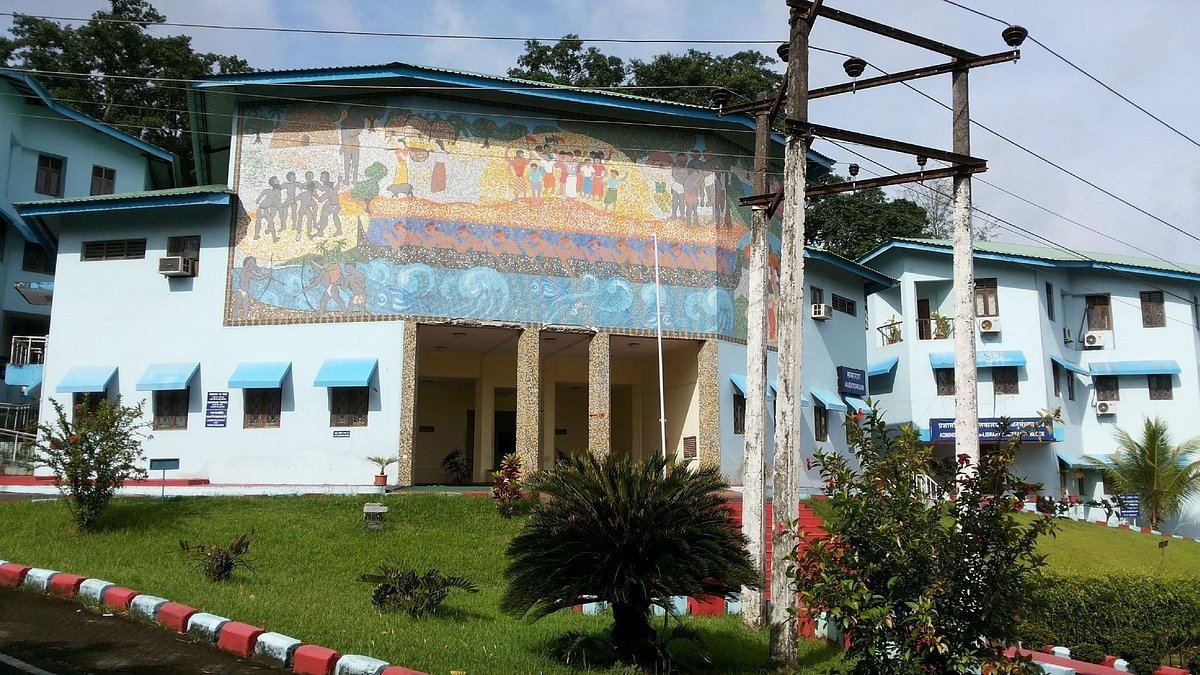
The island is also home to the Shompen, a Particularly Vulnerable Tribal Group (PVTG), and the Nicobarese community. For these indigenous populations, forest and coastal ecosystems are not merely environmental assets but the foundation of cultural identity and livelihoods.
In its ruling, the NGT focused primarily on procedural compliance—whether statutory approvals were obtained and expert bodies consulted. Yet India’s environmental jurisprudence has often required deeper scrutiny. Landmark judgments of the Supreme Court of India, including Vellore Citizens’ Welfare Forum v. Union of India (1996), Narmada Bachao Andolan v. Union of India (2000), and Goa Foundation v. Union of India (2014), have embedded the precautionary principle, sustainable development, and inter-generational equity into environmental law. These principles emphasize that where irreversible harm is possible, caution must prevail.
Environmental experts warn that large-scale construction, dredging, and increased shipping traffic could disrupt turtle nesting cycles, fragment forest habitats, and alter mangrove systems in a seismically sensitive zone. While individual components of the project may appear manageable, concerns persist about cumulative ecological impact.
Equally pressing are questions surrounding demographic change. The proposed development envisions a substantial influx of population to support economic activity. For small indigenous communities, such demographic shifts can pose risks ranging from cultural erosion to exposure to disease. Critics argue that regulatory clearance alone may not address whether such transformation aligns with the long-term survival and autonomy of PVTGs.
As the project advances, the debate underscores a broader constitutional question: how should development be balanced against ecological fragility and indigenous rights? In regions like Great Nicobar, many believe that progress must be measured not only by infrastructure created but also by ecosystems preserved and communities protected.
The NGT’s decision may have settled the immediate legal challenge, but the larger conversation about sustainable and socially just development in fragile landscapes is far from over.
Great Nicobar Project Clears Legal Hurdle, But Ecological Questions Remain