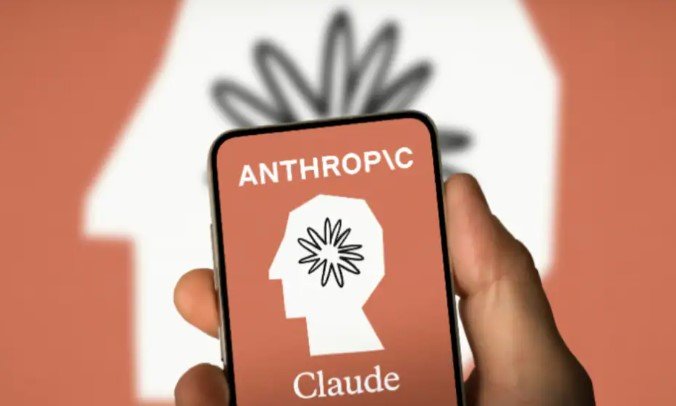
In a significant leap toward the realization of fully functional “agentic AI,” Anthropic has officially rolled out a groundbreaking feature that allows its AI model, Claude, to interact directly with computer interfaces. Moving beyond the traditional role of a conversational assistant that merely generates text or code, the latest iterations—specifically the upgraded Claude Sonnet 4.6—can now perceive a user’s screen, move the cursor, click buttons, and type text as if it were a human operator. This “computer use” capability represents a shift from passive assistance to active execution, allowing Claude to manage complex, multi-step workflows across various applications without the need for custom-built APIs or specialized connectors. Whether it is researching data on the web to fill out a spreadsheet or navigating local file systems to organize documents, Claude is now being positioned as a “digital co-worker” capable of handling the tactical implementation of a task while the human user provides high-level strategic oversight.
The introduction of this feature is a direct response to the growing demand for AI agents that can operate independently within existing software environments. Anthropic’s new “Dispatch” feature further enhances this by allowing users to trigger these computer-based tasks remotely from their mobile devices, effectively turning a smartphone into a remote control for an autonomous workstation. While the technology is currently in a research preview and primarily available to macOS users on Pro and Max subscription tiers, its implications for productivity are profound. By training the model on general computer skills—such as interpreting pixel coordinates and understanding UI hierarchies—Anthropic has bypassed the “integration bottleneck” that has historically limited AI’s reach. As the race for agentic AI heats up among industry giants, Claude’s ability to “see” and “act” on a desktop suggests a future where routine office work could be entirely delegated to autonomous systems.
Despite the excitement, Anthropic has maintained a cautious approach regarding security and reliability. The “computer use” feature remains experimental, with the company noting that complex actions like dragging, scrolling, or navigating high-security environments still pose challenges. To mitigate risks such as prompt injection or unauthorized data access, the system requires explicit user permissions for each application Claude interacts with. However, the rapid progress is undeniable: benchmarks like OSWorld, which measure an AI’s ability to use a computer like a human, show Claude’s performance significantly outpacing its competitors. As we move further into 2026, the transition from AI that “thinks” to AI that “does” is becoming the new standard, potentially reconfiguring the daily workflows of millions of professionals worldwide who may soon find themselves managing a fleet of AI agents rather than performing the manual tasks themselves.